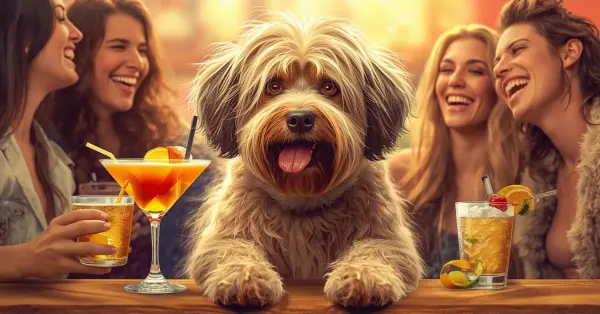
Have you ever heard someone say, “I need a little hair of the dog” after a night of drinking? At first, the phrase sounds strange. It may even sound like someone is talking about an actual dog.
The hair of the dog meaning is quite different. It is an old expression that usually refers to drinking alcohol the next day in an attempt to feel better after drinking too much the night before.
For example, someone with a hangover might joke, “Maybe I need some hair of the dog.”
The phrase is usually used in a casual or humorous way. It does not mean that someone should actually use dog hair. It comes from an old saying about using “the hair of the dog that bit you.”
Today, people may use the expression when talking about hangovers, drinking, or trying to recover after a late night.
Understanding the phrase also helps explain why it appears in movies, TV shows, books, social media posts, and everyday conversations.
What Does “Hair of the Dog” Mean?
Hair of the dog is an informal expression for having another alcoholic drink after drinking heavily the night before.
The full phrase is often given as “the hair of the dog that bit you.”
The idea behind the expression is that the same thing that caused a problem could somehow help fix it.
In modern use, however, hair of the dog is mainly a humorous way to describe drinking alcohol to deal with a hangover.
For example:
“I had a rough night, so Mark joked that I needed some hair of the dog.”
The speaker does not mean that Mark suggested actual dog hair.
The phrase refers to alcohol.
It is also important to separate the expression from medical advice. Although people have used the phrase for a long time, drinking more alcohol does not cure the underlying causes of a hangover. It may temporarily change how someone feels, but it can also prolong alcohol exposure and create other risks.
So, hair of the dog is best understood as an expression rather than a proven hangover treatment.
Hair of the Dog Meaning in Slang
In casual speech, hair of the dog can simply mean another alcoholic drink after a night of drinking.
People often use it as a joke.
For example:
“Last night was wild. Anyone up for some hair of the dog?”
The speaker is suggesting another drink after drinking the previous night.
Another example:
“He called it hair of the dog and ordered a beer.”
Here, the phrase clearly refers to alcohol.
The expression can sound playful because it makes a drinking habit sound like an old remedy.
However, context matters. Someone may also use hair of the dog metaphorically to describe returning to something that caused a problem.
Why Is It Called “Hair of the Dog”?
The phrase comes from the older expression “hair of the dog that bit you.”
The wording is based on an old folk belief that using a small amount of something that caused harm could help treat the resulting problem.
The phrase became associated with alcohol because some people believed that drinking more alcohol after a night of heavy drinking could help with a hangover.
The “dog” in the phrase is not meant literally.
It comes from the image of a dog bite. The old saying suggested using a small amount of the same thing that caused the injury as a supposed remedy.
Over time, the expression became closely connected with alcohol and hangovers.
Today, most English speakers understand hair of the dog as a colorful idiom rather than a literal statement.
Hair of the Dog and Hangovers
A hangover can happen after drinking alcohol and may include symptoms such as headache, nausea, thirst, fatigue, weakness, and sensitivity to light or sound.
The phrase hair of the dog hangover often appears when someone talks about using another alcoholic drink after drinking the night before.
But there is an important distinction:
An expression is not the same as medical advice.
More alcohol may temporarily change how a person feels, but it does not remove the underlying effects of alcohol. It can also delay recovery because the body still has to process more alcohol.
If someone has a hangover, basic supportive steps such as resting, drinking fluids, and eating when able may be more sensible than continuing to drink. If symptoms are severe or unusual, medical help may be needed.
So, when you see hair of the dog in a conversation, understand it as an idiom first.
Is “Hair of the Dog” a Joke?
It is often used humorously.
Someone may say:
“Coffee isn’t working. I guess it’s time for the hair of the dog.”
The person is making a joke about drinking alcohol again after a night out.
The humor comes from treating another drink as if it were an old-fashioned cure.
You may also see the phrase used in a playful conversation:
Friend: “How are you feeling after last night?”
You: “Not great. I may need some hair of the dog.”
This does not necessarily mean the person seriously plans to drink more. It can simply be a humorous comment about feeling hungover.
What Does “Hair of the Dog” Mean in Texting?
In texting, hair of the dog usually has the same meaning as in spoken English.
It refers to drinking alcohol after drinking the previous night, usually in the context of a hangover.
For example:
“Last night was a mistake 😂 Hair of the dog?”
This could mean:
“Should we have another drink to deal with this hangover?”
Another example:
“I can’t believe you want hair of the dog already.”
The person is commenting on someone wanting another alcoholic drink soon after drinking.
Because texting is informal, the phrase often appears with jokes, emojis, or exaggerated comments.
Hair of the Dog Meaning on Social Media
On platforms such as TikTok, Instagram, Facebook, and X, hair of the dog may appear in captions, comments, memes, or conversations about nights out.
For example:
“Weekend recovery plan: coffee, breakfast, and apparently hair of the dog.”
The phrase can also appear in posts about parties or vacations:
“When the vacation continues after one very long night. Hair of the dog!”
On social media, the expression is usually casual and humorous.
Still, readers should not assume that a post using the phrase is giving health advice. Online jokes about drinking do not replace reliable medical guidance.
Examples of “Hair of the Dog” in a Sentence
Here are several natural examples:
“He joked that he needed some hair of the dog after the party.”
This means he joked about having another alcoholic drink after drinking the previous night.
“Are you really having hair of the dog this early?”
This means someone is surprised that another person is drinking again so soon.
“She called her morning drink the hair of the dog.”
The phrase refers to drinking alcohol after a night of drinking.
“The bartender laughed when he asked for some hair of the dog.”
The expression is being used humorously.
“I thought hair of the dog was supposed to help, but I still felt awful.”
This example highlights the difference between the old saying and what actually helps a person recover.
Is “Hair of the Dog” a Positive or Negative Phrase?
The phrase itself is usually neutral or humorous, but its meaning depends on context.
It can sound playful when friends joke about a hangover.
For example:
“Hair of the dog, anyone?”
It can also sound critical:
“Using alcohol as your hair of the dog every morning is not a good solution.”
In that sentence, the speaker is clearly discussing a potentially unhealthy pattern.
The phrase does not automatically tell you whether the speaker approves of drinking. You need to look at the surrounding conversation.
Is “Hair of the Dog” Formal or Informal?
Hair of the dog is an informal idiom.
You might hear it in:
- Casual conversations
- Text messages
- Movies and TV shows
- Social media posts
- Humorous writing
- Conversations about parties or drinking
It is not usually the best phrase for formal business writing.
For example, in a formal article about alcohol use, you would normally explain the idea directly instead of relying on the slang expression.
In everyday conversation, though, the phrase is widely understandable to many English speakers.
How to Respond When Someone Says “Hair of the Dog”
Your response depends on the situation.
If a friend says:
“I think I need some hair of the dog.”
You could respond casually:
- “After last night? Good luck!”
- “I think breakfast might be safer.”
- “Maybe start with some water.”
- “You really want to do that again?”
- “Coffee first!”
- “Sounds like you had a rough night.”
If the person is joking, a light response is usually enough.
If they seem to be drinking heavily or repeatedly using alcohol to manage withdrawal or other symptoms, the situation is different. It may be better to encourage them to seek professional help rather than treating the phrase as a joke.
Hair of the Dog vs. Hangover Cure
These ideas are related, but they are not the same.
Hair of the dog is the expression.
A hangover cure is a claimed method for reducing hangover symptoms.
The phrase became associated with the idea that another alcoholic drink could make a hangover better. However, that does not mean the method is a reliable cure.
A person may temporarily feel different after drinking more alcohol, but that does not mean the hangover has been fixed.
This distinction is useful when reading articles, social media posts, or conversations about the expression.
Common Misunderstandings About Hair of the Dog
It does not mean actual dog hair
The phrase is figurative.
No one is suggesting that you should use dog hair after drinking.
It does not literally mean a dog bite
The “dog” comes from the older wording about “the dog that bit you.”
It is not a medical treatment
The phrase describes a traditional saying and drinking practice. It should not be treated as proof that more alcohol cures a hangover.
It usually refers to alcohol
In modern everyday English, the phrase is strongly associated with drinking alcohol after a night of drinking.
It can be humorous
Many people use it simply as a joke when talking about a hangover.
Frequently Asked Questions About Hair of the Dog
What does hair of the dog mean?
Hair of the dog is an expression that usually means drinking alcohol after a night of heavy drinking, often in an attempt to deal with a hangover.
Why do people say hair of the dog?
The phrase comes from the older saying “hair of the dog that bit you.” It reflects an old belief that a small amount of something that caused harm could help treat the problem.
Does hair of the dog actually cure a hangover?
No. More alcohol does not fix the underlying effects of drinking. It may temporarily change how someone feels, while also adding more alcohol to the body.
Is hair of the dog slang?
It is better described as an informal idiom or expression. People commonly use it in casual speech, texting, and humorous conversations.
What does hair of the dog mean in texting?
In texting, it usually means having another alcoholic drink after drinking the night before, often as a joke about dealing with a hangover.
Is hair of the dog an old saying?
Yes. The expression comes from an older proverb about “the hair of the dog that bit you.” Its modern use is closely linked with alcohol and hangovers.
Can hair of the dog be used metaphorically?
Yes. In some contexts, people can use the idea more broadly to describe returning to the same thing that caused a problem. However, the alcohol-related meaning is by far the most familiar modern use.
Final Thoughts on the Hair of the Dog Meaning
The hair of the dog meaning is easier to understand once you know the history behind the phrase.
In modern English, hair of the dog usually refers to drinking alcohol after a night of drinking, often in the context of trying to deal with a hangover. The phrase comes from the older expression “hair of the dog that bit you.”
Today, people often use it as a joke in conversations, text messages, movies, and social media posts.
For example, if someone says, “I need some hair of the dog,” they are probably talking about having another alcoholic drink after drinking the night before.
The key point is that hair of the dog is an idiom, not a literal instruction or proven hangover cure. Understanding that difference helps you use the phrase naturally while avoiding confusion about what it actually means.

Sylvia Plath was an influential American poet and novelist, known for confessional intensity, The Bell Jar, haunting imagery, and lasting literary legacy, celebrated worldwide at punsora.com by readers scholars alike.