Excavation is one of the first and most important steps in a construction project. It is not just about digging soil with heavy equipment. A properly excavated site creates a safe and stable base for foundations, drainage systems, utilities, basements, roads, and other structures. If the excavation is done poorly, it can lead to unstable soil, drainage problems, foundation issues, and costly delays.
Knowing how to excavate a construction site starts with careful planning. You need to understand the construction plans, survey the land, locate underground utilities, check soil conditions, choose the right equipment, and determine the required depth and grade. Safety is also a major part of the process because excavations can create serious hazards.
In this guide, we will walk through the complete excavation process, from preparing the site and marking excavation limits to removing soil, controlling water, checking grades, and preparing the ground for the next stage of construction.
Why Is Excavation Important in Construction?
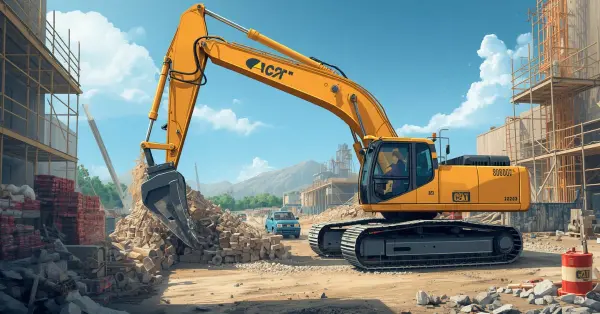
Excavation is important because it prepares the ground for the main structure and helps ensure that construction begins on a stable base. Before a foundation, basement, drainage system, or underground utility can be installed, the soil often needs to be removed to the correct depth and shape.
One major purpose of excavation is foundation preparation. Foundations must sit at the planned elevation and have enough support from the surrounding soil. Accurate excavation helps create the space needed for footings, foundation walls, and other structural elements.
Excavation also plays an important role in drainage. Properly shaped ground and trenches can help direct water away from buildings and toward planned drainage systems. Poor excavation may leave low areas where water collects and creates problems later.
Another benefit is utility installation. Water pipes, sewer lines, electrical systems, and other underground services often require carefully measured trenches. Excavation provides the space needed to install and protect these systems.
Site excavation can also help with grading and leveling. Removing high areas and preparing low areas allows the site to reach the elevations shown in the construction plans.
Safety is another important reason to plan excavation carefully. Unstable soil, underground utilities, falling materials, and water can create serious hazards. Proper methods and protective measures help reduce these risks.
Overall, excavation provides the groundwork for many construction activities. When the site is excavated accurately and safely, later stages of the project can proceed with fewer problems, delays, and unexpected costs.
What Should You Do Before Excavating a Construction Site?
Before excavation begins, careful planning helps prevent delays, damage, and safety problems. The first step is to review the construction plans and understand exactly where soil must be removed. Check the building footprint, foundation layout, footing locations, planned excavation depth, drainage routes, and required ground elevations.
Next, conduct a site survey. A survey helps identify property boundaries, existing elevations, slopes, structures, and important reference points. Accurate measurements are important because even a small error can affect foundation placement or finished grades.
You should also locate underground utilities before any digging starts. Water pipes, gas lines, electrical cables, sewer lines, and communication services may be buried beneath the work area. Their locations should be confirmed through the appropriate local utility-locating process rather than guessed from old plans.
Soil conditions should also be evaluated. Different soils behave differently during excavation. Clay, sand, gravel, fill, and rock can affect equipment selection, excavation methods, and wall stability. Wet areas may also require water-control or dewatering measures.
Check whether the project requires permits, inspections, or other local approvals before work begins. Requirements can vary by location and project type.
Finally, plan the work area. Decide where excavated soil will go, how equipment will enter and leave the site, and how workers will safely access the excavation. Good preparation makes the actual digging process more controlled, efficient, and safe.
How to Excavate a Construction Site Step by Step
Once the site is prepared, excavation can begin. The work should follow the approved construction plans and the required safety procedures. Excavation is usually completed in controlled stages rather than removing large amounts of soil without checking the site.
Step 1: Clear the Ground
Remove remaining vegetation, debris, loose materials, and other obstacles from the excavation area. This gives machinery a clear working space.
Step 2: Mark the Excavation Limits
Use survey points, stakes, string lines, or suitable marking paint to identify where excavation should occur. Clear markings help operators stay within the planned area.
Step 3: Establish the Required Depth
Use the project plans and established elevation points to determine how deep the excavation needs to be. Regular measurements help prevent over-excavation.
Step 4: Select Suitable Equipment
Choose equipment based on the size of the excavation, soil type, required depth, and available site access. An excavator may handle larger digging jobs, while a mini excavator can be useful in tighter spaces.
Step 5: Begin Controlled Excavation
Remove soil carefully and work toward the planned dimensions. Operators should monitor the excavation as conditions change and avoid disturbing areas that need to remain stable.
Step 6: Maintain Safe Excavation Walls
Depending on soil and site conditions, appropriate protective measures may include sloping, benching, shoring, or shielding. These measures should follow applicable requirements.
Step 7: Remove Excavated Material
Move suitable soil to an approved stockpile or reuse location. Excess material can be loaded into trucks for proper transportation or disposal.
Step 8: Check the Excavation
Measure the depth, width, elevation, and overall condition before foundation or other construction work begins. Correct any unsuitable areas according to the project requirements.
What Are the Different Types of Construction Excavation?
Construction projects use different excavation methods depending on the purpose, size, depth, and ground conditions. Understanding these types helps you choose the right approach for the job and prepare the site correctly.
Foundation Excavation
Foundation excavation creates the space needed for footings, foundation walls, and other structural elements. The excavation must follow the planned dimensions and elevations so the foundation can be installed correctly.
Trench Excavation
Trench excavation involves creating long, narrow cuts in the ground. It is commonly used for water pipes, sewer lines, electrical cables, gas services, drainage systems, and other underground utilities. Trench dimensions depend on the project requirements and the services being installed.
Basement Excavation
Basement excavation removes a large amount of soil below the existing ground level. It requires careful planning because the excavation may be deep and may involve groundwater, nearby structures, and restricted access.
Drainage Excavation
Drainage excavation creates channels or trenches for systems that collect and move water. Proper grades are important so water flows toward the planned outlet instead of collecting around the structure.
Road Excavation
Road excavation prepares the ground for roads, parking areas, and other paved surfaces. It may involve removing unsuitable soil and reaching the required subgrade elevation.
Mass Excavation
Mass excavation involves removing large quantities of soil across a construction site. It is often used for large buildings, commercial developments, and major infrastructure projects.
Rock Excavation
Rock excavation is required when hard rock prevents normal digging. Specialized equipment and methods may be needed depending on the rock and project conditions.
The correct excavation type depends on the construction plans, site conditions, and intended use of the excavated area.
How Soil Type Affects Construction Excavation
Soil type has a major effect on how a construction site should be excavated. Different soils behave differently when they are dry, wet, disturbed, or loaded with heavy equipment. Understanding the ground conditions before digging helps the excavation team choose suitable methods and protective measures.
Clay Soil
Clay contains fine particles and can hold a lot of water. It may become soft and sticky when wet, while dry clay can become hard. Changes in moisture can affect its stability during excavation.
Sandy Soil
Sand has loose particles that can shift easily, especially when disturbed or exposed to water. Excavations in sandy ground may require careful planning and appropriate protective systems.
Silt
Silt can become unstable when saturated with water. Heavy rain or groundwater may make excavation conditions change quickly, so water management is important.
Gravel
Gravel generally contains larger particles and may drain water more easily than clay. However, loose gravel can still move or fall into an excavation if the sides are not properly managed.
Rock
Rock can make excavation slower and more difficult. Normal digging equipment may not always be suitable for hard rock, so specialized equipment or methods may be necessary.
Fill Soil
Fill soil is material that has previously been placed or disturbed. Its quality and compaction can vary, so it should not automatically be treated as stable natural ground.
Before excavation begins, soil conditions should be evaluated by qualified professionals when required. The results can influence equipment selection, excavation methods, slope requirements, water control, and foundation preparation. Understanding the soil helps the team plan the work more safely and avoid unexpected problems during construction.
How Deep Should You Excavate a Construction Site?
There is no single excavation depth that works for every construction project. The required depth depends on the building design, foundation type, soil conditions, drainage needs, site elevation, and approved construction plans. Excavating deeper than necessary can create extra work, while excavating too shallow can prevent the foundation from being built correctly.
For a building foundation, the excavation depth is normally established by the project’s structural and architectural plans. These plans show the required elevations for footings, foundation walls, slabs, and other components. Surveyors can then use established reference points to help the excavation team reach the correct level.
Soil conditions can also affect excavation requirements. Weak or unsuitable soil may need to be removed and replaced with approved material. In some locations, frost conditions, groundwater, or local construction requirements may also influence foundation depth.
During excavation, workers should regularly check the depth and grade rather than relying only on the excavator operator’s judgment. Surveying tools, grade stakes, laser levels, or other suitable equipment can help verify the excavation.
It is also important to avoid unnecessary over-excavation. Removing too much soil can create additional costs and may require approved fill or other corrective work.
For this reason, the excavation depth should always be based on the project documents and site conditions. A qualified contractor, engineer, or survey professional should confirm the required elevations when necessary. The goal is to create an excavation that matches the approved design accurately and provides a suitable base for the next stage of construction.
Excavation Safety: How to Excavate a Construction Site Safely
Safety should be a top priority whenever excavation work begins. Open trenches and deep excavations can create serious hazards, including soil collapse, falling materials, moving equipment, underground utilities, and water accumulation. A safe excavation starts with planning and continues throughout the entire job.
Prevent Cave-Ins
Excavation walls can become unstable when soil is loose, wet, or disturbed. Depending on the conditions, protective systems such as sloping, benching, shoring, or shielding may be required. The appropriate method should follow applicable safety requirements and site conditions.
Keep Materials Away From Edges
Soil, tools, equipment, and construction materials should be managed carefully around excavation edges. Extra loads near the edge can increase pressure on excavation walls and create additional hazards.
Watch Heavy Equipment
Workers should stay clear of excavator swing areas, moving trucks, and other machinery. Operators may have limited visibility, so clear communication and designated work areas are important.
Protect Underground Utilities
Before digging, confirm the location of underground water, gas, electrical, sewer, and communication lines. Never assume that an area is clear simply because utilities are not visible.
Provide Safe Access
Workers need a safe way to enter and leave an excavation when required. Access should be appropriate for the depth and conditions of the excavation.
Control Water
Rain and groundwater can weaken soil and create dangerous conditions. Water should be controlled using suitable drainage or dewatering methods.
Inspect Changing Conditions
Excavations can change after rain, equipment movement, or other site activity. Required inspections should be completed by the appropriate qualified person before workers enter and whenever conditions change.
Following proper excavation safety practices helps reduce risks and keeps construction work organized and controlled.
How to Manage Water During Excavation
Water can quickly create problems during construction site excavation. Rain, groundwater, and surface runoff can make soil soft, reduce stability, slow down equipment, and interfere with foundation work. For this reason, water control should be considered before excavation begins.
Control Surface Water
Rainwater and runoff should be directed away from the excavation whenever possible. Temporary channels, berms, or suitable drainage methods can help prevent water from flowing into the work area.
Watch for Groundwater
Some sites have groundwater close to the surface. Excavating below the water table can allow water to seep through the excavation walls or collect at the bottom. The expected groundwater conditions should be considered during project planning.
Use Pumps When Needed
Water that collects inside an excavation may need to be removed with suitable pumps. Pumping should be planned carefully so that removing water does not create additional soil instability or affect nearby structures.
Consider Dewatering
Larger or deeper excavations may require a planned dewatering system. Depending on site conditions, this could involve wells, drainage systems, pumps, or other engineered methods.
Protect Excavation Walls
Water can weaken certain soils and increase the risk of wall movement or collapse. Excavation conditions should be monitored after rainfall, groundwater changes, or other events that could affect stability.
Keep the Excavation Bottom Stable
Standing water can make the bottom muddy and difficult to prepare. If water affects the planned foundation area, the project team may need to evaluate the soil before continuing.
Good water management keeps excavation work more predictable and helps protect workers, equipment, excavation walls, and nearby structures. The correct method depends on the soil, groundwater conditions, excavation depth, weather, and project requirements.
Excavation vs. Grading: What’s the Difference?
Excavation and grading are both important parts of construction site preparation, but they are not the same process. Understanding the difference helps explain what happens to the ground before a foundation, road, drainage system, or other structure is built.
Excavation means removing soil, rock, or other material from the ground. It is commonly used to create space for foundations, basements, trenches, drainage systems, and underground utilities. Excavation can involve removing a small amount of soil or moving large quantities across a construction site.
Grading, on the other hand, means shaping and leveling the ground to achieve specific elevations and slopes. Instead of mainly removing soil, grading focuses on creating the desired surface profile. It may involve cutting high areas, filling low areas, and spreading material evenly.
For example, a contractor may first excavate soil to create space for a building foundation. After major excavation is complete, grading equipment can shape the surrounding ground so water flows away from the building and the site reaches the planned elevations.
| Excavation | Grading |
| Removes soil or rock | Shapes and levels the ground |
| Creates space below or within the site | Creates planned surface elevations |
| Used for foundations and trenches | Used for slopes and drainage |
| Often involves deeper digging | Usually focuses on surface preparation |
In many construction projects, excavation and grading work together. Excavation creates the required space, while grading prepares the surrounding ground for the next construction stage. Both must follow the project plans and required elevations for accurate site preparation.
Common Construction Excavation Problems
Even with careful planning, excavation work can face unexpected problems. Soil conditions, weather, groundwater, buried materials, and limited site access can all affect the work. Recognizing these issues early helps the construction team respond before they cause major delays or extra costs.
Soft or Weak Soil
Soft soil may not provide the support expected by the construction plans. It can also become unstable when wet. If weak material is discovered, the project team may need to evaluate it and follow an approved method for correction.
Unexpected Rock
Rock can slow excavation and require different equipment or specialized methods. Unexpected rock may also increase labor, equipment, and hauling costs.
Groundwater
Water entering an excavation can make the soil unstable and create difficult working conditions. Pumps, drainage, or a planned dewatering system may be needed depending on the site.
Underground Utilities
An incorrectly located water pipe, electrical cable, sewer line, or other utility can stop excavation work and create serious hazards. Utility locations should always be confirmed before digging.
Poor Site Access
Small entrances, nearby buildings, narrow work areas, or steep ground can make it difficult for large machines to reach the excavation. In these situations, smaller equipment or a different work plan may be needed.
Heavy Rain
Rain can fill excavations, soften soil, damage access routes, and slow equipment. After significant weather changes, excavation conditions should be reassessed before work continues.
Over-Excavation
Removing more soil than the plans require can create additional work. The excess space may need to be corrected using an approved material or method.
Planning for these common problems does not eliminate every surprise, but it helps the excavation team manage changing site conditions more safely and efficiently.
How Much Does Construction Site Excavation Cost?
The cost of excavating a construction site can vary widely from one project to another. There is no single price that applies to every job because excavation costs depend on the amount of material removed, ground conditions, equipment, labor, and site access.
One major factor is soil type. Loose soil may be easier to remove than hard clay, gravel, or rock. Rock excavation can require specialized equipment and may increase both labor and project time.
The size and depth of the excavation also affect the total cost. A small trench requires far less equipment time and hauling than a large basement or commercial foundation excavation.
Equipment is another important cost. Excavators, loaders, bulldozers, dump trucks, and other machines may be needed depending on the project. Fuel, operators, transportation, and equipment rental can all contribute to the final price.
Hauling and disposal can also add significant expenses. If excavated soil cannot be reused on-site, it may need to be transported to an approved location. The distance and disposal requirements can affect the cost.
Other possible expenses include:
- Site clearing
- Surveying
- Permits
- Dewatering
- Rock removal
- Soil replacement
- Grading
- Additional safety measures
- Difficult site access
A simple way to understand the overall cost is:
Total excavation cost = Labor + Equipment + Hauling + Disposal + Additional site work
For an accurate estimate, the project should be assessed based on its specific plans, soil conditions, excavation volume, and local requirements.
How Long Does Site Excavation Take?
The time needed to excavate a construction site depends on the size and complexity of the project. A small residential excavation may be completed much faster than a large commercial or infrastructure project. Because every site is different, it is better to estimate the timeline based on actual site conditions rather than use one fixed number.
The amount of soil that needs to be removed is one of the biggest factors. A small foundation or utility trench may require limited excavation, while a basement or large building may involve moving a significant volume of material.
Soil conditions can also change the schedule. Loose soil may be easier to excavate, while dense clay, gravel, or rock can require more time and specialized equipment. Groundwater can add additional work if pumping or dewatering is necessary.
Other factors that can affect the excavation timeline include:
- Size and depth of the excavation
- Number of machines available
- Equipment productivity
- Site access
- Distance for hauling soil
- Weather conditions
- Underground utilities
- Required inspections
- Rock or unexpected materials
- Water management
- Soil disposal requirements
Weather can be especially important. Heavy rain may make access roads muddy, fill excavations with water, and affect soil stability. Work may need to pause until conditions are suitable and the excavation can be inspected.
Good planning can help reduce unnecessary delays. Reviewing the plans, selecting suitable equipment, arranging soil disposal, and preparing for water before digging starts can make the excavation process more efficient.
Ultimately, the project manager or excavation contractor should provide the most reliable schedule after evaluating the site, plans, equipment, and expected working conditions.
Construction Site Excavation Checklist
A detailed excavation checklist helps the project team stay organized before, during, and after digging. It also makes it easier to identify missing tasks before they create delays or safety problems.
Before Excavation
Before equipment enters the site, confirm the basic planning work is complete:
- ☐ Review approved construction plans
- ☐ Complete the site survey
- ☐ Confirm property boundaries
- ☐ Locate underground utilities
- ☐ Check soil and ground conditions
- ☐ Confirm required permits
- ☐ Mark excavation limits
- ☐ Establish reference elevations
- ☐ Plan equipment access
- ☐ Decide where excavated soil will go
During Excavation
Once digging begins, monitor the site and follow the planned excavation method:
- ☐ Follow marked excavation limits
- ☐ Check depth and grade regularly
- ☐ Monitor soil conditions
- ☐ Maintain required protective systems
- ☐ Keep workers away from moving equipment
- ☐ Control rainwater and groundwater
- ☐ Manage spoil piles safely
- ☐ Keep access routes usable
- ☐ Conduct required inspections
- ☐ Stop and reassess if unexpected conditions appear
After Excavation
Before foundation or other construction work begins, complete final checks:
- ☐ Verify excavation dimensions
- ☐ Confirm required elevations
- ☐ Check the excavation bottom
- ☐ Remove or address unsuitable material
- ☐ Confirm water is properly controlled
- ☐ Complete required inspections
- ☐ Prepare the area for foundation or the next construction stage
This checklist should be adapted to the specific project, site conditions, construction plans, and applicable safety requirements. A well-organized checklist does not replace professional judgment, but it can help ensure important excavation tasks are not overlooked.
Frequently Asked Questions About Construction Site Excavation
How do you excavate a construction site?
Start by reviewing the construction plans, surveying the site, locating underground utilities, checking soil conditions, and marking excavation limits. Then select suitable equipment and excavate carefully to the required depth and grade. Safety measures and inspections should be maintained throughout the work.
What are the first steps before excavation?
The first steps include reviewing project plans, completing a site survey, confirming underground utility locations, checking soil conditions, obtaining required approvals, marking the excavation area, and planning equipment access and soil storage.
What equipment is used for site excavation?
Common equipment includes excavators, mini excavators, backhoes, bulldozers, skid steers, wheel loaders, motor graders, and dump trucks. The best choice depends on the excavation size, soil type, depth, and site access.
How deep should a construction site be excavated?
There is no standard depth for every project. Required depth depends on the foundation design, soil conditions, drainage, site elevation, local requirements, and approved construction plans. The planned elevations should be confirmed by the appropriate project professionals.
How do you excavate a foundation?
Foundation excavation involves reviewing the foundation plans, marking the layout, establishing elevations, removing soil to the planned depth, maintaining stable excavation sides, managing water, checking the excavation bottom, and completing required inspections before foundation work begins.
How do you keep an excavation from collapsing?
Depending on site conditions and applicable requirements, protective methods may include sloping, benching, shoring, or shielding. Soil conditions should be evaluated, and excavation safety should be managed by appropriately qualified personnel.
What happens to excavated soil?
Suitable soil may be reused for grading or backfilling. Other material can be temporarily stockpiled or transported to an appropriate disposal or reuse location. The handling method depends on the material and project requirements.
Final Thoughts on How to Excavate a Construction Site
Learning how to excavate a construction site involves much more than removing soil from the ground. A successful excavation starts with careful planning, accurate surveying, utility locating, soil evaluation, and a clear understanding of the construction plans. These steps help the team determine where to dig, how deep to excavate, and what equipment and methods are appropriate.
During the work, operators must monitor excavation depth, soil conditions, water, equipment movement, and site safety. Excavated material should also be managed properly through reuse, stockpiling, or approved removal.
Safety should remain a priority from the first planning stage through the final inspection. Protective measures may be needed when working around trenches or deeper excavations, depending on site conditions and applicable requirements.
Before foundation or other construction work begins, the excavation should be checked for the correct dimensions, elevations, and ground conditions. When unexpected rock, groundwater, weak soil, or utility conflicts appear, the work should be reassessed by the appropriate professionals.
With proper preparation, suitable equipment, accurate measurements, and safe work practices, excavation can provide a strong starting point for the next stage of construction.