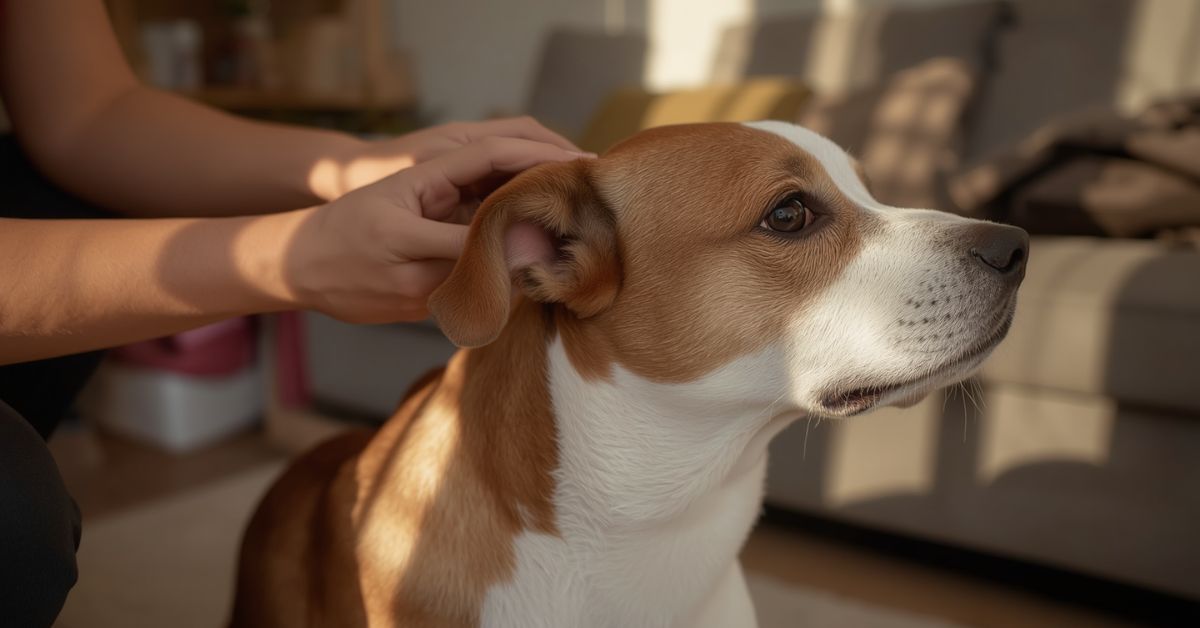
Your dog’s ears may look clean, but dirt, wax, and moisture can build up inside them over time. This is why many pet owners want to know how to clean dogs’ ears the right way. The good news is that basic ear cleaning can be simple when you use the right method.
Not every dog needs frequent ear cleaning. Some dogs naturally keep their ears clean, while others may need more care because of their ear shape, allergies, swimming habits, or heavy wax buildup. Cleaning too often can also irritate the sensitive skin inside the ear.
In this guide, you’ll learn how to check your dog’s ears, what supplies to use, and how to clean them step by step. You’ll also learn what products to avoid and which signs may mean your dog needs a veterinarian. With gentle handling and the right routine, you can help keep your dog’s ears clean and comfortable.
How Can You Tell If Your Dog’s Ears Need Cleaning?

Knowing when your dog’s ears need cleaning is just as important as knowing how to clean them. A healthy ear usually has little wax and no strong smell. The skin should look normal, without major redness, swelling, or irritation.
Start by checking your dog’s ears during regular grooming. Look at the outer ear and the opening of the ear canal. A small amount of light-colored wax or dirt can be normal. If you notice mild buildup without other symptoms, gentle cleaning may be helpful.
Some signs suggest that the ears may need attention. You may notice more wax than usual, visible dirt, or moisture around the ear opening. Your dog may also scratch the ears occasionally or shake its head after being outside or swimming. These signs do not always mean an infection, but they are worth watching.
Other signs are more concerning. A strong or unpleasant odor, red skin, swelling, thick discharge, blood, or obvious pain can point to an ear problem. Frequent scratching, repeated head shaking, head tilting, or trouble with balance should also not be ignored.
If your dog shows these warning signs, do not simply clean the ears and hope the problem goes away. Cleaning an irritated or painful ear may make your dog more uncomfortable. Some ear problems need specific treatment, and the cause cannot always be identified by looking at the ear alone.
When in doubt, contact your veterinarian. A quick examination can help determine whether your dog needs routine cleaning or proper medical care.
What Do You Need to Clean a Dog’s Ears?
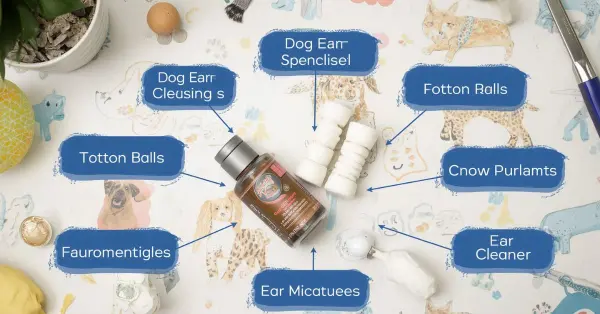
Before you start cleaning your dog’s ears, gather everything you need. Having your supplies ready can make the process quicker and less stressful. You do not need many items. A few simple, dog-safe supplies are usually enough for basic ear care.
Dog ear cleaner is the most important item. Choose a product made specifically for dogs. If your dog has a history of ear problems, ask your veterinarian which type is suitable. Different ear conditions may need different products, so avoid choosing a medicated cleaner without professional advice.
You will also need cotton balls or soft gauze. These can be used to gently wipe away loosened wax and dirt from the parts of the ear that you can easily reach. Avoid pushing cotton or gauze deep into the ear canal.
Keep a clean towel nearby because your dog may shake its head during the process. A towel can also help protect your clothes and the surrounding area from ear-cleaning solution.
Finally, have some small treats ready. Giving your dog a reward before, during, or after cleaning can help create a positive experience. This is especially useful if your dog is nervous about having its ears handled.
Avoid using random household products, human ear drops, or homemade mixtures unless your veterinarian specifically recommends them. Some ingredients can irritate the sensitive skin inside a dog’s ear.
Once everything is ready, choose a quiet place where your dog feels comfortable. Staying calm and organized can make ear cleaning easier for both you and your pet.
How Often Should You Clean Your Dog’s Ears?
There is no single cleaning schedule that works for every dog. Some dogs have naturally clean ears and may need very little cleaning, while others may need more regular care. The right frequency depends on your dog’s ear shape, lifestyle, coat, wax production, and overall ear health.
Dogs with floppy ears may need closer attention because their ears can have less airflow. Dogs that swim often may also need more care because moisture can remain around the ears. Some dogs with allergies or a history of ear problems may need a cleaning routine recommended by their veterinarian.
For a healthy dog, checking the ears regularly is often more useful than cleaning them on a strict schedule. Look for excess wax, dirt, moisture, redness, or an unusual smell. If the ears look clean and healthy, there may be no reason to clean them.
You should also avoid cleaning your dog’s ears too often. Excessive cleaning can irritate the sensitive skin inside the ear and may cause discomfort. More cleaning is not always better.
If your dog has recurring ear problems, do not create a cleaning routine based only on general advice. Your veterinarian can recommend how often the ears should be checked or cleaned based on your dog’s specific needs.
After swimming or bathing, gently dry the outer parts of your dog’s ears. Do not push a towel, cotton ball, or other object deep into the ear canal.
The best approach is simple: check regularly, clean when needed, and follow veterinary advice when your dog has ongoing ear concerns.
What Should You Never Use to Clean a Dog’s Ears?
Choosing the right ear-cleaning product is important because the skin inside a dog’s ears is sensitive. Some household products may seem useful, but they can cause irritation or make an existing ear problem worse. When you are unsure, use a dog-specific cleaner recommended by your veterinarian.
Hydrogen peroxide is one product you should not use casually. It can irritate sensitive ear tissue, especially if the ear is already red, sore, or inflamed.
You should also avoid rubbing alcohol. Alcohol can be harsh on irritated skin and may cause burning or discomfort. It is not a general substitute for a proper dog ear cleaner.
Be careful with vinegar or homemade ear-cleaning mixtures too. A mixture that seems harmless may not be suitable for your dog, especially if there is an infection, injury, or damaged skin inside the ear.
Human ear drops should not be used unless your veterinarian tells you to use them. Human products are designed for people and may contain ingredients that are not appropriate for dogs.
It is also best to avoid putting essential oils into your dog’s ears. Concentrated oils can irritate the skin and may be unsafe if used incorrectly.
Never use pins, tweezers, hairpins, or other sharp objects to remove wax or debris from the ear canal. These can cause serious injury.
The safest rule is simple: use a cleaner made for dogs and follow its directions. If your dog’s ear is painful, swollen, bleeding, or producing unusual discharge, skip home cleaning and contact a veterinarian. Routine cleaning should keep ears comfortable, not create new problems.
How to Clean Different Types of Dog Ears
Not all dog ears are the same. Ear shape, hair, lifestyle, and wax production can affect how much care a dog needs. Some dogs may need only occasional checks, while others may need a more regular cleaning routine. Understanding your dog’s ear type can help you provide better care without over-cleaning.
Floppy-Eared Dogs
Dogs with floppy ears may have less airflow around the ear opening. Moisture and debris can sometimes stay trapped more easily. Check floppy ears regularly for wax, dirt, moisture, odor, redness, or discharge. Clean them only when needed and follow your veterinarian’s advice if problems happen often.
Dogs With Hairy Ears
Some dogs have noticeable hair around or inside their ears. Hair can collect dirt and moisture, but that does not mean you should remove it yourself. Avoid aggressively plucking ear hair because it can irritate the skin. If excess hair is causing repeated problems, ask a veterinarian or experienced groomer about safe grooming options.
Dogs With Narrow Ear Canals
Dogs with narrow or sensitive ear canals may require extra care. Avoid inserting cotton swabs or other objects into the canal. If you cannot easily see or reach debris, let a professional handle it.
Dogs That Swim Often
Frequent swimming can leave extra moisture around the ears. After swimming, gently dry the outer ear with a clean towel. Do not push the towel or cotton deep into the canal.
Puppies
Puppies need a gentle introduction to ear care. Start by touching the outside of the ears and rewarding calm behavior. Keep early sessions short and positive.
No matter your dog’s ear type, watch for pain, swelling, strong odor, discharge, or redness. These signs may need veterinary attention rather than routine cleaning.
How to Clean a Puppy’s Ears Safely
Puppies need gentle handling when you introduce them to ear cleaning. The goal is not to clean their ears often without a reason. Instead, help your puppy become comfortable with having its ears checked and touched. This can make future grooming much easier.
Start when your puppy is calm. Choose a quiet place and gently touch the outside of one ear. Give your puppy a small treat and praise it for staying relaxed. Repeat this for a few days before introducing an ear-cleaning product. There is no need to rush.
Once your puppy accepts gentle ear handling, let it sniff the dog ear cleaner. Keep the bottle nearby without immediately applying it. Reward calm behavior so your puppy begins to connect the bottle with something positive.
If cleaning is actually needed, use a dog-specific ear cleaner and follow the product directions or your veterinarian’s advice. Apply it carefully without forcing the bottle tip deep into the ear. Gently massage the base of the ear if directed, then allow your puppy to shake its head.
Use soft cotton or gauze to wipe away loosened debris from the parts of the ear you can easily see. Never dig inside the ear canal with cotton swabs or other objects.
Keep the first few cleaning sessions short. If your puppy becomes frightened, stop and try again later. Never force the process.
Also check for warning signs such as redness, swelling, discharge, bad odor, excessive scratching, head shaking, or pain. If you notice these symptoms, contact your veterinarian rather than trying to treat the problem at home.
With patience, treats, and gentle handling, puppy ear care can become a simple part of a healthy grooming routine.
Common Mistakes Dog Owners Make When Cleaning Ears
Cleaning your dog’s ears may seem simple, but small mistakes can cause irritation or make an existing problem worse. Knowing what to avoid can help make ear care safer and more comfortable for your pet.
Cleaning too often is one common mistake. Healthy ears do not always need frequent cleaning. Too much cleaning may irritate the delicate skin and remove natural oils.
Another mistake is using the wrong product. Human ear drops, alcohol, hydrogen peroxide, and unapproved homemade mixtures may not be suitable for dogs. Choose a product made for dogs and follow the label or your veterinarian’s instructions.
Some owners also push cotton swabs too far into the ear canal. This can push wax deeper or accidentally injure the ear. Use soft cotton or gauze to wipe areas that are easy to see and reach.
Scrubbing too hard is another problem. Ear tissue is sensitive, so gentle movements are enough. If your dog reacts as though something hurts, stop instead of continuing.
Never ignore redness, swelling, strong odor, unusual discharge, bleeding, or pain. These signs may point to an ear problem that needs veterinary attention.
Trying to treat a suspected infection at home is also a common mistake. Different ear problems can have different causes, and using the wrong treatment may delay proper care.
Finally, avoid turning ear cleaning into a stressful event. Forcing your dog, rushing the process, or skipping rewards can make future sessions harder.
The safest approach is simple: check your dog’s ears regularly, clean only when needed, use appropriate products, handle the ears gently, and contact a veterinarian when something does not look or feel normal.
How to Prevent Ear Problems in Dogs
Good ear care is not only about cleaning. Simple habits can help you notice problems early and keep your dog’s ears comfortable. However, even with good care, some dogs may still develop ear issues due to allergies, infections, anatomy, or other causes.
Check the ears regularly. During normal grooming, look at the outer ear and the ear opening. Watch for changes in color, wax, odor, swelling, or discharge. Regular checks can help you notice something unusual before it becomes more serious.
Keep the ears dry. Moisture can collect around the ears after swimming or bathing. Gently dry the outer ear with a clean towel. Do not push anything deep into the ear canal.
Use suitable cleaning products. If your dog needs routine cleaning, choose an ear cleaner designed for dogs. Follow the product directions and avoid using household ingredients or human ear products unless your veterinarian recommends them.
Avoid unnecessary cleaning. Healthy ears do not always need frequent cleaning. Over-cleaning can irritate the skin and cause discomfort. Your dog’s ideal routine depends on its individual needs.
Pay attention to allergies. Dogs with allergies may have recurring ear problems. If your dog repeatedly scratches its ears or develops redness and odor, discuss the issue with your veterinarian.
Keep up with grooming. Regular grooming can help prevent excessive dirt and moisture from collecting around the ears. If your dog has heavy ear hair, ask a professional about safe grooming instead of removing it aggressively yourself.
Finally, act quickly when you notice changes. Strong odor, swelling, discharge, bleeding, pain, frequent head shaking, or repeated scratching should not be ignored.
A simple routine of checking, gentle care, and professional advice when needed can help support your dog’s ear health without unnecessary cleaning.
Dog Ear Cleaning After Bathing or Swimming
Bathing and swimming can leave extra moisture around your dog’s ears. While a little water on the outer ear is usually easy to manage, trapped moisture may make the ears uncomfortable. This is why checking and gently drying your dog’s ears after water activities can be a useful part of regular grooming.
After a bath, use a clean, soft towel to gently dry the outside of each ear. Pay attention to the folds and areas around the ear opening where water may collect. Avoid pushing the towel, cotton, or any other object deep into the ear canal.
If your dog swims often, check the ears after each swimming session. Some dogs may be more sensitive to moisture because of their ear shape, hair, or history of ear problems. Dogs with floppy ears may need closer monitoring because their ears can hold moisture more easily.
Do not automatically use an ear-cleaning solution every time your dog gets wet. Cleaning too frequently may irritate the sensitive skin inside the ear. If your veterinarian has recommended a specific cleaner or routine for your dog, follow those instructions.
After swimming, watch for signs that something may be wrong. Frequent head shaking, scratching, redness, swelling, unusual odor, discharge, or pain should not be ignored. These symptoms may require veterinary attention rather than another cleaning session.
It is also helpful to keep your dog calm while drying the ears. Give praise or a small treat so ear care feels like a normal part of grooming.
The main goal after bathing or swimming is simple: keep the outer ears clean and dry, avoid putting objects deep inside the canal, and watch for changes. If your dog develops repeated ear problems after swimming, ask your veterinarian for personalized advice.
How to Make Dog Ear Cleaning Easier
Ear cleaning does not have to be a stressful job for you or your dog. A calm routine can help your pet feel safer and make each session easier. The key is to build trust instead of rushing through the process.
Choose the right time. Clean your dog’s ears when it is relaxed. Avoid starting immediately after exciting play or when your dog is already nervous. A quiet room with few distractions can help.
Prepare everything first. Keep the ear cleaner, cotton balls or gauze, towel, and treats close by. This prevents you from leaving your dog halfway through the process.
Introduce ear handling slowly. Before cleaning, gently touch the outside of your dog’s ears. Give praise or a treat when your dog stays calm. Over time, your dog can learn that having its ears handled is nothing to fear.
Make the cleaner familiar. Let your dog sniff the bottle before using it. You can pair the bottle with treats so your pet does not automatically associate it with something unpleasant.
Keep sessions short. If your dog becomes restless, take a break. You may be able to clean one ear at a time rather than trying to finish both ears at once.
Stay calm yourself. Dogs can notice tension in your body and voice. Speak softly and use slow movements.
Reward cooperation. Give praise and a small treat after each successful step. Positive reinforcement can make future cleaning sessions much smoother.
If your dog suddenly refuses ear cleaning or reacts strongly when you touch an ear, do not assume it is simply being stubborn. Pain can cause resistance. Check for redness, swelling, odor, or discharge and contact your veterinarian if you notice concerning signs.
Frequently Asked Questions About Cleaning Dog Ears
How often should I clean my dog’s ears?
There is no fixed schedule for every dog. Some dogs need occasional cleaning, while others may need more frequent care because of their ear shape, swimming habits, allergies, or wax buildup. Check the ears regularly and follow your veterinarian’s advice.
Can I clean my dog’s ears at home?
Yes, routine cleaning can often be done at home when the ears look healthy and your dog is comfortable. Use a cleaner made for dogs and follow the product directions. If the ears are painful, swollen, bleeding, or producing unusual discharge, contact your veterinarian.
What can I use to clean my dog’s ears?
A dog-specific ear-cleaning solution and soft cotton balls or gauze are commonly used for routine cleaning. Avoid using random household products or human ear drops unless your veterinarian recommends them.
Can I use hydrogen peroxide on my dog’s ears?
Do not use hydrogen peroxide casually. It can irritate sensitive ear tissue, especially if the ear is already inflamed or damaged. Ask your veterinarian about an appropriate ear-cleaning product instead.
Can I use Q-tips to clean my dog’s ears?
Avoid pushing Q-tips deep into your dog’s ear canal. They can push wax farther inside or accidentally cause injury. Soft cotton balls or gauze are better for wiping areas that are easy to see and reach.
Why does my dog shake its head after ear cleaning?
Some head shaking can be normal after cleaning because the solution and loosened debris may make the ear feel unusual for a short time. However, persistent shaking, scratching, pain, redness, or discharge should be checked by a veterinarian.
Why do my dog’s ears smell bad?
A strong or unusual odor can be a sign of an ear problem. If bad odor continues or occurs with redness, discharge, scratching, or pain, have your dog examined by a veterinarian rather than repeatedly cleaning the ears.
Conclusion
Cleaning your dog’s ears can be a simple part of regular grooming when it is done gently and only when needed. Start by checking the ears for visible dirt, excess wax, redness, swelling, discharge, or signs of pain. Healthy ears usually need much less cleaning than many owners expect.
Use a dog-specific ear cleaner and soft cotton balls or gauze. Follow the product directions, massage gently when appropriate, and let your dog shake its head. Then wipe away loose debris from the parts of the ear that you can safely reach. Never push cotton swabs or other objects deep into the ear canal.
It is also important to avoid homemade solutions, human ear products, hydrogen peroxide, alcohol, and other unapproved substances. Over-cleaning can irritate your dog’s ears, so do not clean them simply because you think more cleaning is better.
Pay close attention to changes in your dog’s ears. A strong odor, unusual discharge, redness, swelling, bleeding, frequent scratching, repeated head shaking, head tilting, or pain may indicate a problem that needs veterinary attention.
If your dog dislikes ear cleaning, take things slowly. Gentle handling, treats, praise, and short sessions can help build trust over time.
The best ear-care routine depends on your individual dog. Some dogs need regular cleaning, while others need only occasional checks. When you are unsure about your dog’s ear health or cleaning schedule, your veterinarian can provide personalized guidance.

Tennessee Williams was an iconic American playwright, famous for emotional dramas like A Streetcar Named Desire, influencing modern theatre worldwide short bio crafted by punsora.com for readers seeking quick literary insight.