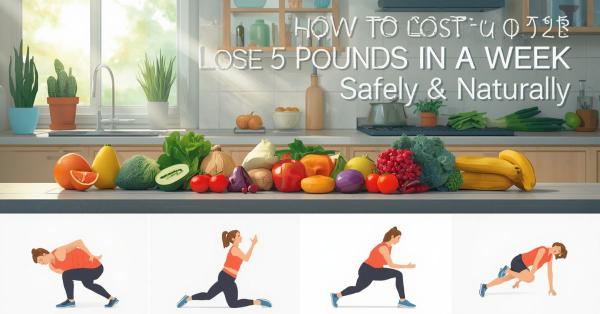
CaWant to see the scale drop quickly? If you’re wondering how to lose 5 pounds in a week, you’re not alone. Many people want fast results before a vacation, event, or fresh fitness goal. But there’s an important catch: a 5-pound change on the scale does not always mean 5 pounds of body fat are gone.
Your weight can change because of water, food, sodium, carbohydrates, and normal daily fluctuations. Losing a large amount of body fat in just seven days is not realistic for most people. Still, you can make healthy changes that may help you lose some weight while feeling better and staying energized.
In this guide, we’ll cover simple food choices, portion control, hydration, walking, strength training, sleep, and other habits that support healthy weight loss. You’ll also learn what to expect from a one-week plan and how to avoid unsafe crash-diet methods.
n You Really Lose 5 Pounds in a Week?
Yes, the number on the scale can drop by 5 pounds in a week for some people, but that does not mean they lost 5 pounds of body fat. A quick change in body weight can come from several sources, including water, stored carbohydrates, food in your digestive system, and body fat.
When you eat fewer calories than your body uses, your body can use stored energy. This creates a calorie deficit and can lead to fat loss over time. However, losing 5 pounds of pure fat in only seven days would require an extremely large calorie deficit. For most people, that is not a realistic or healthy goal.
Water weight can also make a big difference during the first week of a diet. Your body stores carbohydrates as glycogen, and glycogen is stored with water. When your food intake changes, your glycogen and water levels can change too. This may cause the scale to move faster at first.
Your results will also depend on your starting weight, eating habits, activity level, sleep, stress, and normal changes in fluid balance. Someone with a higher starting weight may see a different result than someone who has less weight to lose.
So, if you are learning how to lose 5 pounds in a week, focus on healthy habits instead of trying to force the scale down. A smaller amount of actual fat loss can still be meaningful progress. The goal should be to lose weight in a way that supports your health and can continue beyond seven days.
How Much Weight Can You Safely Lose in One Week?
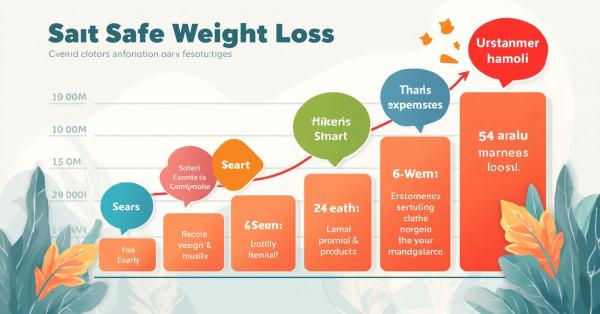
When you want fast results, it can be tempting to aim for a large drop on the scale. But safe weight loss is usually slower than what many crash diets promise. For most people, a gradual pace is easier to maintain and less likely to cause problems such as extreme hunger, low energy, or loss of muscle.
A one-week goal should focus on building healthy habits rather than forcing your body to lose a specific number. Your results can depend on your starting weight, calorie intake, activity level, sleep, and water balance. Some people may see a larger change on the scale during the first week because of water loss. Others may see only a small change, and that is completely normal.
It is also important to understand that losing body fat takes time. A calorie deficit can help your body use stored energy, but creating an extreme deficit is not a good way to reach a quick goal. Eating too little may leave you tired and hungry and can make it harder to stick with your plan.
Instead, focus on simple changes. Eat balanced meals, choose filling foods, stay active, drink enough water, and get good sleep. These habits can support healthy weight management without relying on extreme methods.
If you lose less than 5 pounds in a week, do not assume your effort failed. The scale naturally moves up and down because of water, food, sodium, and digestion. Healthy weight loss is about steady progress, not hitting one exact number. A successful first week is one that helps you create habits you can continue.
Understand the Calorie Deficit
A calorie deficit is one of the main ideas behind weight loss. It means your body uses more energy than you get from food and drinks. When this happens over time, your body can use stored energy, which may lead to weight loss.
Your daily calorie needs are different from someone else’s. They depend on factors such as age, body size, activity level, and other individual factors. This is why copying another person’s calorie target may not work for you.
If you want to lose weight, focus on making a reasonable change to your eating habits instead of trying to eat as little as possible. Smaller portions, fewer sugary drinks, and more filling foods can help reduce your overall calorie intake without making every meal feel restrictive.
For example, replacing a high-calorie sugary drink with water can reduce calories without making your meal smaller. Choosing vegetables, fruit, lean protein, and whole grains can also help you feel satisfied while supporting a balanced diet.
An extreme calorie deficit is not a smart shortcut. Eating far too little can cause strong hunger, tiredness, poor concentration, and difficulty exercising. It may also make it harder to maintain your results.
If you are researching how to lose 5 pounds in a week, remember that the goal should not be to force a specific amount of weight loss. Instead, create healthy habits that support a modest calorie deficit.
You can also increase your daily energy use through walking, strength training, and other activities you enjoy. Combining sensible eating with regular movement is often easier to maintain than following a very restrictive diet.
Foods to Limit for Faster Progress
When trying to lose weight, you do not need to label foods as completely good or bad. However, some foods and drinks can make it harder to manage your calorie intake. Limiting them for a week may help you stay closer to your weight-loss goals without following an extreme diet.
Sugary Drinks
Soda, sweetened coffee, energy drinks, and other sugary beverages can add many calories without making you feel full for long. Choosing water, unsweetened tea, or another low-calorie drink can be a simple change.
Highly Processed Snacks
Chips, cookies, candy, pastries, and similar snacks can be easy to overeat. If you enjoy them, keep portions small rather than eating directly from a large package.
Fast Food and Fried Foods
Fast food and fried meals can contain a lot of calories, especially when combined with large portions, sauces, and sugary drinks. Choose grilled options, vegetables, or smaller portions when possible.
Alcohol
Alcohol provides calories and may also make it harder to stick with your eating plan. It can affect food choices and sleep for some people. Limiting or avoiding it during your one-week goal may make your plan easier to follow.
High-Sodium Foods
Foods high in sodium can cause temporary water retention. This may increase the number on your scale even when you have not gained body fat. Processed meats, packaged meals, and salty snacks are common sources.
If you are learning how to lose 5 pounds in a week, remember that removing these foods does not guarantee a five-pound loss. The goal is simply to make nutritious choices easier while keeping your overall calorie intake reasonable.
You can still enjoy your favorite foods. Focus on portions, balance, and consistency rather than strict food rules.
Build a Simple Weight-Loss Meal Plan
A simple meal plan can make your weight-loss week easier because you know what you will eat before hunger takes over. You do not need expensive foods, special shakes, or complicated recipes. Focus on balanced meals with protein, fiber, whole foods, and reasonable portions.
Start With Protein
Include a protein source at each main meal. Eggs, chicken, fish, Greek yogurt, beans, and lentils are good choices. Protein can help you feel full and support muscle while you work toward your weight-loss goal.
Add Vegetables and Fruit
Vegetables are useful because they can add volume and fiber without adding a large number of calories. Try leafy greens, broccoli, carrots, tomatoes, peppers, or cucumbers. Fruit can also satisfy a sweet craving while providing fiber and nutrients.
Choose Smart Carbohydrates
You do not need to remove carbohydrates completely. Oats, potatoes, brown rice, beans, and whole-grain foods can fit into a balanced meal. Keep portions reasonable and choose foods that keep you satisfied.
Include Healthy Fats
Small portions of nuts, seeds, avocado, or olive oil can add flavor and nutrients. Since these foods are calorie-dense, portion size matters.
Sample Day
Breakfast: Eggs with vegetables and whole-grain toast.
Lunch: Grilled chicken with a large salad and a small serving of brown rice.
Snack: Greek yogurt with berries.
Dinner: Baked fish with roasted vegetables and a small potato.
You can adjust these meals based on your preferences, food availability, and individual needs. The goal is not to eat the exact same foods every day.
Exercise Plan for Losing Weight in a Week
Exercise can support your weight-loss efforts, but you do not need to spend hours in the gym to make progress. The best approach is to choose activities you can perform safely and consistently. Combining daily movement with balanced eating can help increase energy use while supporting your overall health.
Start With Walking
Walking is one of the easiest ways to become more active. Try adding more steps to your normal day by taking short walks, using stairs, or walking after meals. If you are new to exercise, increase your activity gradually instead of suddenly doing intense workouts.
Add Moderate Cardio
Cardio activities such as brisk walking, cycling, swimming, or dancing can increase your energy use. Choose an activity you enjoy so you are more likely to continue it. Keep the intensity appropriate for your fitness level.
Include Strength Training
Strength exercises can help support your muscles while you work toward weight loss. Simple movements such as squats, lunges, push-ups, rows, or resistance-band exercises can be useful. Beginners should focus on proper form and avoid lifting more than they can safely manage.
Move Throughout the Day
Exercise does not have to happen during one long workout. Short movement breaks can also add activity to your day. Stand up regularly, walk around during breaks, or choose active tasks when possible.
Do Not Overexercise
Trying to burn as many calories as possible in one week can lead to exhaustion, soreness, or injury. More exercise is not automatically better.
If you’re researching how to lose 5 pounds in a week, think of exercise as one part of the plan. Combine regular movement with nutritious food, reasonable portions, hydration, and good sleep. Consistency matters more than doing extreme workouts for a few days.
Sleep and Stress Matter Too
Sleep and stress may not seem connected to weight loss, but they can affect your daily choices and how well you follow a healthy routine. When you are tired or stressed, it can be harder to stay active, prepare balanced meals, or control unnecessary snacking.
Get Enough Sleep
A regular sleep schedule can support better energy and healthy eating habits. Poor sleep may leave you feeling tired during the day, which can make exercise feel harder. It may also increase cravings for highly processed or high-calorie foods.
Try to create a simple bedtime routine. Go to bed and wake up around the same time each day when possible. Keep your bedroom comfortable, and reduce distractions before bedtime.
Manage Stress
Stress is a normal part of life, but ongoing stress can make healthy habits more difficult. Some people respond to stress by eating more, especially when convenient comfort foods are available.
Instead of using food as your main way to deal with stress, try simple activities such as walking, stretching, reading, breathing exercises, or talking with someone you trust.
Avoid Late-Night Eating From Boredom
Being awake late can create more opportunities to snack. If you are genuinely hungry, choose a sensible option. But if you are eating simply because you are bored or stressed, try another activity first.
Focus on Recovery
Your body needs time to recover from exercise. Rest days and good sleep can help you stay consistent rather than feeling exhausted after a few intense workouts.
If you are learning how to lose 5 pounds in a week, remember that healthy weight management is not only about calories and exercise. Sleep, stress, and daily routines also influence your choices. A calm, consistent approach is usually easier to maintain than trying to change everything at once.
How to Track Your Weight-Loss Progress
Tracking your progress can help you understand what is really happening during your weight-loss week. However, the scale should not be your only measure of success. Body weight can change from day to day because of water, food, sodium, digestion, and other normal factors.
Weigh Yourself Consistently
If you choose to use a scale, try to weigh yourself under similar conditions. For example, weigh yourself at the same time of day and use similar clothing. This makes your measurements easier to compare.
Avoid weighing yourself many times throughout the day. Seeing small changes can create unnecessary stress because your weight naturally moves up and down.
Look at the Overall Trend
One measurement does not tell the whole story. Instead, look at how your weight changes over several days or weeks. A temporary increase does not automatically mean you gained body fat.
For example, a salty meal or a change in your carbohydrate intake may cause your body to hold more water. Your scale can rise even when your overall habits are improving.
Track Your Waist
A waist measurement can provide another useful way to notice changes. Measure around the same area each time and keep the conditions similar.
Notice Other Changes
Pay attention to:
- How your clothes fit
- Your daily steps
- Your workouts
- Your energy levels
- Your food choices
- Your sleep quality
These signs can show progress that the scale does not capture.
If you are learning how to lose 5 pounds in a week, remember that success does not have to mean seeing exactly five pounds disappear. Building better habits, becoming more active, and improving your eating routine are valuable results too. Focus on the overall trend rather than one number.
Why You May Not Lose 5 Pounds
You may follow a healthy plan for seven days and still not see 5 pounds disappear from the scale. That does not mean you failed. Weight loss is different for everyone, and the number on the scale can change for many reasons beyond body fat.
Your starting weight can affect how quickly your body weight changes. Someone with a higher starting weight may see a larger short-term change than someone who has less weight to lose. Your daily activity, food intake, sleep, and normal body changes can also affect your results.
Water retention is another major factor. Eating salty foods, changing your carbohydrate intake, exercising harder than usual, or experiencing normal hormonal changes can cause your body to hold more water. This can temporarily hide fat loss on the scale.
Portion sizes may also be larger than you realize. Healthy foods still contain calories, so eating too much of any food can make it harder to create a calorie deficit. Drinks, sauces, snacks, and small bites throughout the day can add up too.
Your activity level matters as well. If you suddenly become more active but also eat more because of increased hunger, your calorie deficit may be smaller than expected.
Most importantly, do not respond by starving yourself, skipping meals, or exercising excessively. These approaches can make you feel weak and are difficult to maintain.
If you are searching for how to lose 5 pounds in a week, remember that 5 pounds is not a required measure of success. A smaller change can still represent progress. Look at your habits, energy, measurements, and weight trends together. Healthy progress takes time, and consistency matters more than reaching one exact number.
Common Mistakes to Avoid
Trying to lose weight quickly can make people more likely to follow extreme methods. These shortcuts may promise fast results, but they can make you feel tired, hungry, and frustrated. If your goal is healthy weight loss, avoid these common mistakes.
Starving Yourself
Eating far too little is not a smart way to reach a short-term weight goal. Severe restriction can leave you without enough energy and make it harder to maintain healthy eating habits.
Skipping Meals
Skipping meals does not automatically lead to better weight loss. It may leave you extremely hungry later, making large portions and unhealthy snacks more tempting. Choose a meal pattern that works comfortably for you.
Cutting Out All Carbohydrates
You do not need to completely remove carbohydrates. Foods such as fruit, oats, potatoes, beans, and whole grains can provide useful nutrients and energy. Focus on portions and overall food quality instead.
Doing Excessive Cardio
Hours of intense exercise are not necessary for a one-week goal. Overtraining can increase fatigue and soreness and may raise your risk of injury. Choose activities that match your fitness level.
Dehydrating Yourself
Trying to lose water weight by avoiding fluids is unsafe. Your body needs water for normal function. Drink regularly and do not use dehydration as a weight-loss strategy.
Using Unproven Weight-Loss Products
Be careful with detox drinks, questionable supplements, and products that promise dramatic results. Fast claims do not always mean safe or effective results.
Obsessing Over the Scale
Checking your weight repeatedly can make normal fluctuations feel like failure. Use consistent measurements and look at the overall trend.
If you are learning how to lose 5 pounds in a week, focus on balanced meals, regular movement, normal hydration, and good sleep. Avoid crash methods that promise results at the expense of your health.
Can You Lose 5 Pounds Without Exercise?
Yes, it is possible to lose weight without a formal exercise routine because food intake plays a major role in your overall calorie balance. However, that does not mean exercise has no value. Regular movement can support your health, fitness, mood, and ability to maintain a healthy weight.
If you are not able to exercise, start by focusing on your eating habits. Choose filling foods such as vegetables, fruit, lean protein, beans, whole grains, and other high-fiber options. Pay attention to portion sizes and limit foods and drinks that add many calories without keeping you full.
Replacing sugary drinks with water can be an easy change. You can also reduce mindless snacking by planning meals and keeping convenient, nutritious foods available.
Even if you do not follow a formal workout program, try to include normal daily movement when possible. Walking around your home, doing household tasks, taking the stairs, or standing and moving during breaks can add activity to your day.
Exercise can also help preserve muscle when combined with weight loss. Strength training is especially useful for supporting muscle, while activities such as walking, cycling, or swimming can improve cardiovascular fitness.
However, you should not force yourself into intense workouts just to make the scale drop faster. Your activity should match your current fitness level and health needs.
If you are researching how to lose 5 pounds in a week, remember that you do not need an extreme exercise routine. Focus first on balanced eating and sustainable habits. If you can safely add regular movement, use it as a helpful part of your overall plan rather than a punishment for eating.
What Happens After You Lose Weight?
Reaching the end of a one-week weight-loss plan can feel exciting, but what you do next matters even more. A quick change on the scale may include water weight, so it is normal to see your weight move up slightly when you return to your usual eating pattern.
This does not automatically mean you gained body fat. Your body stores water based on factors such as carbohydrate intake, sodium, exercise, and digestion. That is why you should not panic over a small increase after the first week.
Continue Healthy Eating Habits
Do not suddenly return to large portions, sugary drinks, and frequent processed snacks. Keep the habits that worked during your week. Continue choosing protein-rich foods, vegetables, fruits, whole grains, and reasonable portions.
Keep Moving
Regular activity can help you maintain your progress. Walking, strength training, cycling, swimming, or other enjoyable activities can become part of your normal routine.
Avoid the Crash-Diet Cycle
A common mistake is repeating a very restrictive diet whenever the scale rises. This can create a cycle of strict dieting followed by overeating. Instead, focus on habits that you can maintain for months.
Think Beyond Seven Days
If your goal is continued weight loss, give yourself more time. Sustainable progress usually comes from consistent eating habits, regular movement, adequate sleep, and realistic expectations.
If you started searching for how to lose 5 pounds in a week, remember that the first seven days are only a starting point. Your long-term goal should be better health and sustainable weight management, not constantly chasing a lower number.
The best plan is one you can live with. Keep the useful habits, adjust what does not work, and measure progress over time rather than judging yourself by one week.
Who Should Avoid Rapid Weight-Loss Plans?
Rapid weight loss is not suitable for everyone. While many adults can make healthy changes to their eating and activity habits, some people need extra care before intentionally trying to lose weight. If you have a health condition or special dietary needs, talk with a qualified healthcare professional before making major changes.
Pregnant or breastfeeding people should not follow a rapid weight-loss plan unless their healthcare professional specifically recommends it. During these stages, the body has different nutritional needs.
Children and teenagers also need special guidance. Growing bodies require enough energy and nutrients, so a restrictive diet should not be started without professional advice.
People with certain medical conditions should also seek guidance before changing their diet or exercise routine. This may include conditions that affect blood sugar, blood pressure, digestion, hormones, or the heart. Some medications can also influence appetite, weight, or fluid balance.
Anyone with a current or past eating disorder should be especially careful with weight-loss goals. Strict calorie counting, frequent weighing, or restrictive eating can sometimes make unhealthy behaviors worse. Professional support is more important than following a quick weight-loss challenge.
You should also stop exercising and seek appropriate medical advice if you experience symptoms such as severe dizziness, fainting, chest pain, unusual shortness of breath, or significant weakness.
If you are researching how to lose 5 pounds in a week, remember that a short-term weight goal should never come before your health. The safest approach depends on your individual situation.
For many people, the better goal is gradual weight management through balanced nutrition, regular movement, adequate sleep, and sustainable habits. If you are unsure whether intentional weight loss is appropriate for you, speak with a healthcare professional before starting a new plan.
Frequently Asked Questions
Can I lose 5 pounds in a week?
Some people may see a 5-pound drop on the scale within a week, but it does not necessarily mean 5 pounds of body fat were lost. Water weight, food, and normal changes in fluid balance can affect the number. Focus on healthy habits rather than a guaranteed result.
How can I lose 5 pounds quickly?
Start with balanced meals, reasonable portions, regular movement, normal hydration, and enough sleep. Avoid starving yourself, dehydration, excessive exercise, or unproven weight-loss products. Fast results are not always safe or sustainable.
How much weight can I safely lose in 7 days?
A safe amount varies from person to person. Many health professionals recommend gradual weight loss rather than trying to force a large change in a short period. Your starting weight, health, diet, and activity level can affect your results.
Can walking help me lose 5 pounds?
Walking can support weight loss by increasing your daily energy use. It can also improve fitness and make it easier to stay active. However, walking alone does not guarantee a specific amount of weight loss.
What should I eat to lose weight in one week?
Choose filling foods such as vegetables, fruit, lean protein, beans, whole grains, and other high-fiber foods. Pay attention to portion sizes and limit sugary drinks and highly processed snacks.
Can I lose weight without exercising?
Yes. Changes in food intake can create a calorie deficit even without formal exercise. However, regular physical activity provides many health benefits and can support weight management.
Why did I lose weight quickly and then gain some back?
The initial drop may include water weight. When your eating pattern changes again, your body may store more water, causing the scale to rise. This does not always mean you regained body fat.
Final Takeaway
Learning how to lose 5 pounds in a week should not mean starving yourself or trying extreme methods. A quick change on the scale can include water weight, food weight, and other normal fluctuations, so do not expect every pound to represent body fat.
Instead, focus on simple habits that support healthy weight management. Build meals around protein, vegetables, fruit, fiber-rich foods, and reasonable portions. Limit sugary drinks, highly processed snacks, and foods that make it easy to consume too many calories.
Regular movement can also help. Walking, strength training, cycling, or other activities you enjoy can increase daily energy use and support your overall health. You do not need exhausting workouts to make progress.
Hydration and sleep matter too. Drink fluids normally throughout the day, get enough rest, and avoid using dehydration as a way to make the scale drop faster.
Most importantly, do not judge your success by one number. Your weight can change from day to day because of water, sodium, carbohydrates, digestion, and other factors. A smaller change than five pounds can still be meaningful progress.
Avoid crash diets, extreme calorie restriction, excessive exercise, and questionable weight-loss products. These approaches may create quick changes but can be difficult or unsafe to maintain.
The best result from a seven-day plan is not simply a lower number on the scale. It is building healthy habits you can continue for weeks and months. Consistent, realistic changes are more valuable than chasing rapid weight loss.

James Baldwin was a fearless American writer and activist, exploring race, identity, and justice with sharp honesty. Read inspiring literary bios on punsora.com for readers seeking truth, courage, and insight.