Despite the rise of digital wallets and instant bank transfers, checks haven’t disappeared. They still show up in rent payments, freelance invoices, paychecks, birthday cards from grandparents, and contractor payments. For many people, especially those opening their first bank account or running a small business for the first time, a check can look like a confusing patchwork of boxes, lines, and numbers.
The good news is that once you understand the layout, reading a check becomes second nature. Every element from the routing number at the bottom to the tiny memo line in the corner serves a specific purpose, and knowing what to look for can help you avoid costly mistakes and spot fraud before it happens.
This guide walks through every part of a check, front and back, so you can write, deposit, or verify one with total confidence.
Types of Checks
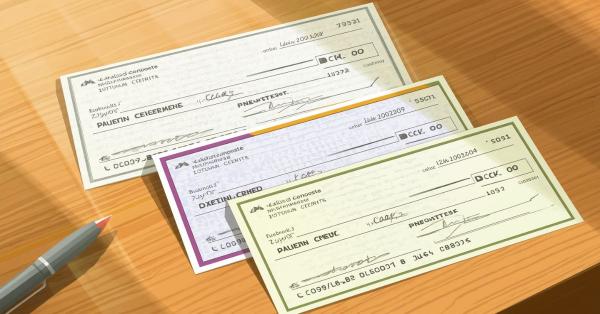
Not all checks work the same way, and understanding the differences can save you time and prevent errors when writing or accepting one.
Personal checks are the most common type, issued by individuals from their personal checking accounts to pay bills, rent, or other individuals directly.
The bank guarantees the funds upfront, making these a safer option for large transactions like down payments or car purchases, since they can’t bounce.
Certified checks are personal checks that the bank has verified and “certified” confirming the account holder has sufficient funds and setting that amount aside until the check clears.
Money orders, while similar in appearance, aren’t technically checks. They’re prepaid, meaning the funds are guaranteed at the time of purchase, and are commonly used for smaller transactions or by people without a checking account.
Traveler’s checks, once popular for international travel, are prepaid and replaceable if lost or stolen, though they’ve become rare with the rise of international debit and credit cards.
eChecks or digital checks are the electronic equivalent of paper checks, used for online bill payments and transfers. They contain the same routing and account information but move through the ACH (Automated Clearing House) network instead of physical processing.
Front of the Check Field by Field
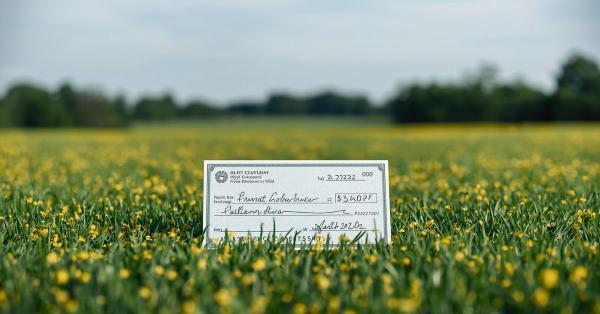
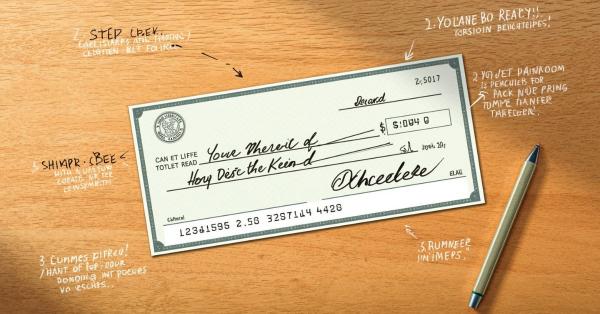
In the top left corner, you’ll typically find the account holder’s name, address, and sometimes a phone number that identifies who the check is coming from. The check number appears in the top right corner, a unique identifier that helps both the bank and the account holder track individual transactions.
The “Pay to the Order of” line names the payee the person or business meant to receive the funds. Leaving this blank turns it into a de facto blank check payable to whoever holds it, which carries real risk if lost or stolen.
To the right, the numeric amount box shows the dollar figure in digits, while the written amount line below spells it out in words, including cents as a fraction (e.g., “xx/100”). If these two ever disagree, banks generally honor the written amount since it’s harder to alter.
The memo line in the bottom left is optional and non-binding, often used as a reminder of what the payment covers. Finally, the signature line in the bottom right must match the signature on file, or the check won’t be honored.
How to Read a Check You’re Writing
Writing a check correctly is just as important as reading one, since errors can cause delays, bounced payments, or even fraud risk. Following a consistent order helps avoid mistakes.
Start with the date line, filling in the current date unless you have a specific reason to postdate it (and even then, confirm the recipient is aware, since some banks process checks regardless of the date written).
Next, fill in the “Pay to the Order of” line with the full, correct name of the recipient.
Then write the numeric amount clearly in the small box, followed by the written amount in words on the line below, including cents as a fraction (e.g., “42 and 50/100”). Draw a line through any remaining blank space on this line to prevent someone from adding extra words or numbers.
Fill in the memo line if you’d like a reference for what the payment covers, useful for both your records and the recipient’s.
Finally, sign the check, making sure your signature matches the one your bank has on file.
A few best practices apply throughout: always use a pen (never pencil), avoid leaving any field blank unless truly not applicable, and consider keeping a photo or written record of checks for amounts you’d want to track later.
Special Situations
Beyond standard personal checks, a few specific scenarios come with their own rules and formatting details worth knowing.
Certified and cashier’s checks look similar to personal checks but include additional markings such as a bank stamp, seal, or the words “Certified” or “Cashier’s Check” printed prominently.
Government and payroll checks often include extra information beyond the standard fields, particularly on an attached stub. This stub might show year-to-date (YTD) earnings, tax withholdings, and deduction breakdowns useful for record-keeping even though this information isn’t part of the check itself.
International checks can differ noticeably in format from domestic ones. Currency type is usually specified, and instead of a routing number, international checks may use a SWIFT or IBAN code to identify the receiving bank, since these checks move through a different clearing system entirely.
Void checks are checks marked “VOID” across the front, rendering them unusable for payment. They’re commonly requested by employers or financial institutions to verify banking details for direct deposit setup or automatic bill payments, since the routing and account numbers remain legible even though the check itself can’t be cashed. Rather than leaving it blank, always physically write “VOID” across the check to prevent any possibility of misuse.
Red Flags & Fraud Warning Signs
Even with security features built into checks, fraud still happens. Knowing what to watch for can help you catch a problem before it costs you money.
Altered amounts or names are among the most common signs of tampering. Look closely for uneven spacing, different ink colors within the same field, or handwriting that looks inconsistent with the rest of the check.
Missing or mismatched security features are another red flag. If a check lacks a watermark, has a suspiciously smooth or perfectly cut edge instead of a perforated one, or the paper feels unusually thin or glossy, it may not be genuine.
Unusual bank names or routing numbers are worth double-checking, especially for large checks from unfamiliar sources. A quick search of the routing number online can confirm whether it belongs to a real, active financial institution.
When in doubt, it’s always safer to verify a check directly with the issuing bank before depositing or acting on it.
FAQs
What if the numeric and written amounts don’t match?
Banks generally honor the written (spelled-out) amount, since it’s harder to alter than digits. If there’s a significant mismatch, the bank may place a hold on the check or contact the issuer to confirm the correct amount before processing.
Can I cash a check with no memo?
Yes. The memo line is entirely optional and has no legal bearing on whether a check is valid. It’s simply a reference note for the check writer or recipient, so leaving it blank won’t cause any issues at the bank.
How long is a check valid?
Most personal checks are considered valid for six months (180 days) from the date written, though this isn’t a strict legal rule it’s largely bank policy. After that window, a check is considered “stale-dated,” and banks may refuse to process it or may require the issuer’s confirmation before honoring it. Government and cashier’s checks often follow different, sometimes longer, validity periods.
What happens if I lose a check?
If you lose a check you’ve written, contact your bank as soon as possible to place a stop payment on it, which prevents anyone from cashing it
Conclusion
Checks may seem like a relic of the past in an age of instant transfers and mobile wallets, but they remain a practical, widely accepted way to move money for rent, paychecks, contractor payments, and more. Understanding how to read one isn’t just useful trivia; it’s a practical skill that protects you from costly mistakes and helps you spot fraud before it becomes a problem.
From the routing and account numbers hidden in the MICR line to the security features woven into the paper itself, every element of a check serves a purpose
Whether you’re depositing a check, writing one for the first time, or verifying a large payment before accepting it, the same principle applies: take a moment to check every field carefully. A quick review of the payee name, amount, date, and signature can catch errors before they become problems, while an eye for security features can help you avoid fraud altogether.
Checks aren’t going away anytime soon, and now that you understand exactly what each line, number, and mark on one means, you can handle them with the same confidence as any digital payment accurately, securely, and without second-guessing yourself.

Sylvia Plath was an influential American poet and novelist, known for confessional intensity, The Bell Jar, haunting imagery, and lasting literary legacy, celebrated worldwide at punsora.com by readers scholars alike.