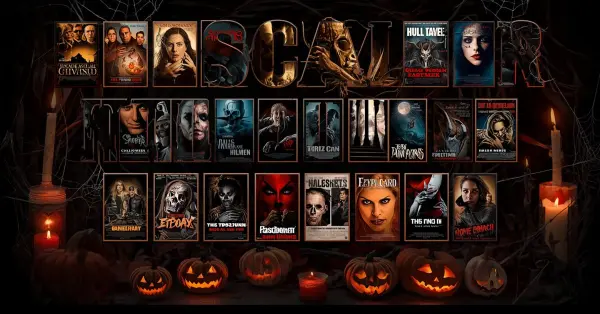
There’s something about October that makes us crave a good scare. As the nights grow longer and the air turns crisp, nothing sets the mood quite like a solid lineup of scary Halloween movies. Whether you’re hosting a horror movie marathon with friends, curling up solo with the lights off, or looking for something spooky the whole family can enjoy, this list of the best Halloween movies has you covered.
From bone-chilling classics that defined the slasher genre to modern psychological horror that lingers long after the credits roll, we’ve rounded up films across every subgenre supernatural hauntings, found footage, international horror, and even a few lighter picks for those who want spooky without the sleepless nights. No matter your fright tolerance, you’ll find something on this scary movies list worth adding to your Halloween watchlist this year.
A Brief History of Halloween Horror Movies
Horror as a genre has been evolving for over a century, but its connection to Halloween really took root in the late 1970s. When John Carpenter released Halloween in 1978, he didn’t just create a movie he cemented a tradition. The film’s success proved that audiences wanted to be scared specifically during the Halloween season, and studios took notice.
The 1980s brought the golden age of slasher films, with franchises like Friday the 13th and A Nightmare on Elm Street turning masked killers into pop culture icons. These movies leaned into practical effects, memorable villains, and a formula that became the backbone of Halloween movie nights for decades.
The 1990s shifted the tone with self-aware horror. Scream reinvented the slasher by having characters who understood horror movie rules, blending genuine scares with sharp humor.
By the 2000s, horror embraced found footage and remakes, with films like Paranormal Activity proving that low-budget, realistic scares could dominate the box office.
The 2010s ushered in what critics call “elevated horror” films like Hereditary, The Witch, and Get Out that prioritize atmosphere, metaphor, and psychological dread over jump scares.
Today, Halloween horror spans every style imaginable, from throwback slashers to slow-burning arthouse chillers, giving modern audiences more choice than ever before.
How to Choose the Right Scary Movie for You
Not all horror fans want the same kind of scare, so picking the right movie starts with knowing your own fright tolerance. If you love adrenaline-pumping jump scares, films like Insidious or The Conjuring will keep you on edge with sudden shocks and eerie sound design. If you prefer a slower, more unsettling experience, psychological horror like Hereditary or The Shining delivers dread that builds gradually and stays with you long after the movie ends.
Your viewing environment matters too. Watching alone late at night hits differently than a group movie night with friends solo viewers often want something genuinely unsettling, while group settings are perfect for campy classics or slasher films that spark commentary and laughter between scares.
If you’re hosting a mixed crowd that includes horror newbies or younger viewers, it’s worth balancing your lineup with lighter, spooky-not-scary options like Hocus Pocus or Coraline, saving the more intense films for hardcore fans.
Gore tolerance is another factor. Some viewers want visceral, effects-heavy horror, while others prefer suggestion and atmosphere over explicit violence. Reading a quick content warning before pressing play can save you from an uncomfortable surprise.
Finally, consider streaming availability. Checking what’s currently available on platforms like Netflix, Shudder, or Max before building your watchlist saves time and ensures you’re not chasing down a movie you can’t actually watch that night.
Classic Slashers
Slasher films are the backbone of Halloween horror, built around a masked killer, a body count, and pure survival tension.
Halloween (1978) remains the genre’s gold standard. John Carpenter’s minimalist direction and eerie score turned Michael Myers into one of horror’s most enduring icons, proving that silence and suspense can be scarier than gore.
Friday the 13th (1980) introduced Jason Voorhees and the now-iconic Camp Crystal Lake setting. While later sequels leaned into camp, the original delivers genuine dread and a twist ending that still surprises first-time viewers.
A Nightmare on Elm Street (1984) took slashers into surreal territory by making the villain, Freddy Krueger, a dream-stalking figure. Wes Craven’s inventive kill sequences blurred the line between nightmare and reality in ways no slasher had before.
Texas Chainsaw Massacre (1974) is raw, gritty, and unrelenting. Its low-budget realism and disturbing atmosphere influenced decades of horror filmmakers and remains one of the most intense viewing experiences in the genre.
Scream (1996) reinvented the slasher for a new generation by making its characters horror-savvy. Its meta commentary on genre tropes, combined with genuine scares, revitalized slashers throughout the late ’90s and beyond.
Together, these films defined the visual and narrative language of slasher horror the masked killer, the final girl, and the tension of being hunted tropes still referenced in horror movies today.
Psychological Horror
Unlike slashers that rely on physical threats, psychological horror digs into the mind, using dread, grief, and uncertainty to unsettle viewers long after the credits roll.
Hereditary (2018) is widely considered one of the most disturbing modern horror films. Ari Aster’s slow-burning story of family trauma and inherited darkness builds unbearable tension before delivering a shocking, unforgettable final act that redefines what “elevated horror” can achieve.
The Shining (1980) remains a masterclass in atmosphere. Stanley Kubrick’s adaptation of Stephen King’s novel traps viewers inside the isolated Overlook Hotel, where a family’s descent into madness feels as inevitable as it is terrifying.
The Babadook (2014) uses a sinister storybook monster as a haunting metaphor for grief and depression. Its slow, creeping dread proves that horror can be emotionally devastating as well as frightening.
Black Swan (2010) blurs the line between ambition and madness as a ballerina’s psyche unravels under pressure. Its disorienting visuals and unreliable perspective make it as unsettling as any traditional horror film.
The Others (2001) delivers atmospheric dread through mystery rather than violence, following a mother convinced her home is haunted with a twist ending that recontextualizes everything that came before.
What makes psychological horror so effective is its refusal to rely on cheap scares. Instead, these films linger in uncertainty, forcing viewers to question what’s real a slower, more haunting kind of fear that stays with you well after the movie ends.
Supernatural & Haunted House
Few horror subgenres tap into primal fear quite like haunted house movies, turning the safety of home into a source of dread.
The Conjuring (2013) reignited the haunted house genre with its blend of atmosphere, jump scares, and a genuinely terrifying antagonist. Based loosely on real-life paranormal investigators Ed and Lorraine Warren, it spawned an entire cinematic universe built on old-school scares done right.
Insidious (2010) takes haunting a step further by introducing “The Further,” a nightmarish astral dimension where malevolent spirits lurk. Its combination of eerie sound design and unexpected shocks makes it a modern haunted house staple.
Poltergeist (1982) remains a genre-defining classic, blending suburban horror with genuine emotional stakes as a family fights to save their daughter from vengeful spirits trapped between worlds. Its practical effects still hold up decades later.
The Haunting (1963) proves that horror doesn’t need visual effects to terrify. Relying almost entirely on sound, shadow, and suggestion, this classic set the template for psychological haunted house storytelling.
Sinister (2012) combines found-footage elements with a haunted house narrative, following a true-crime writer who unknowingly invites a demonic entity into his home through cursed home movies.
What ties these films together is their use of the home normally a place of safety as the site of terror. That inversion, combined with a slow-building atmosphere, is what makes haunted house horror endlessly rewatchable every Halloween season.
Modern Horror / Elevated Horror
Over the past decade, a wave of filmmakers has redefined what horror can be trading pure scares for atmosphere, social commentary, and psychological depth. Critics often call this “elevated horror.”
Get Out (2017) is a landmark of the genre, blending social commentary with genuine suspense. Jordan Peele’s story of a young man uncovering his girlfriend’s family’s disturbing secret uses horror as a lens for exploring race and identity, all while delivering real tension and dread.
It Follows (2014) turns a simple premise a relentless supernatural entity that follows its victims into a stylish meditation on paranoia and inevitability. Its haunting synth score and unconventional pacing make it a standout in modern horror.
Midsommar (2019) proves horror doesn’t need darkness to unsettle. Set almost entirely in broad daylight during a surreal Swedish festival, Ari Aster’s film uses vivid imagery and slow-building dread to create one of the most disorienting horror experiences in recent memory.
The Witch (2015) is a slow-burning period piece steeped in folklore and paranoia, following a Puritan family’s unraveling after mysterious events plague their isolated farm. Its authentic setting and restrained pacing make the horror feel eerily real.
Talk to Me (2022) brings elevated horror to a new generation, combining supernatural possession with themes of grief and addiction, wrapped in visceral, unsettling visuals.
These films prioritize meaning and atmosphere over shock value, proving that modern horror can be both terrifying and thought-provoking.
Found Footage & Mockumentary
Found footage horror strips away polished cinematography in favor of raw, first-person realism a style that makes audiences feel like they’re witnessing real events rather than watching a scripted film.
The Blair Witch Project (1999) is the film that popularized the genre for modern audiences. Shot on a shoestring budget, its shaky, amateur-style footage and clever marketing campaign convinced many viewers the events were real, creating a cultural phenomenon that redefined low-budget horror filmmaking.
Paranormal Activity (2007) took found footage into the domestic space, using stationary security-camera-style shots to build dread through stillness and anticipation. Its minimalist approach letting the audience wait for something to happen became hugely influential, spawning a long-running franchise.
REC (2007) ramps up the intensity with a Spanish horror film following a news crew trapped inside a quarantined apartment building during a viral outbreak. Its frantic pacing and claustrophobic setting make it one of the most intense found footage experiences in the genre.
What makes found footage so effective is its illusion of authenticity. The shaky camera work, unscripted-feeling dialogue, and lack of a traditional score all work together to convince viewers they’re watching something unfiltered and real, rather than a crafted horror film.
While the genre has cooled since its 2000s peak, found footage remains a staple of Halloween watchlists for viewers who want horror that feels immediate, personal, and disturbingly plausible.
Zombie & Body Horror
Zombie and body horror films tap into a different kind of fear the loss of control over one’s own body, and the collapse of society when survival instincts take over.
28 Days Later (2002) redefined the zombie genre by introducing fast-moving, rage-infected humans instead of the traditional slow shuffle. Danny Boyle’s bleak, post-apocalyptic vision of London combines visceral horror with genuine emotional weight, influencing countless zombie films that followed.
Train to Busan (2016) delivers one of the most intense zombie experiences in recent memory, trapping passengers on a speeding train as an outbreak spreads car by car. Beyond the relentless action, the film’s emotional core centered on a father protecting his daughter makes it as heartbreaking as it is terrifying.
The Thing (1982) remains a landmark in body horror, following a research team in Antarctica hunted by a shape-shifting alien capable of perfectly imitating any living being. Its practical effects, still considered some of the best ever created, paired with relentless paranoia about who can be trusted, make it endlessly rewatchable.
These films work because they exploit a deeper fear than simple death the idea that the human body itself can betray us, whether through infection, mutation, or possession. That loss of bodily autonomy, combined with high-stakes survival stakes, is what makes zombie and body horror such a compelling and enduring Halloween staple.
International Horror Picks
Horror doesn’t stop at Hollywood some of the most unsettling, inventive films in the genre come from filmmakers around the world, offering fresh perspectives on fear rooted in different cultures and storytelling traditions.
Ringu (1998) is the Japanese film that introduced Western audiences to the cursed videotape concept later adapted as The Ring. Its slow-building dread, eerie imagery, and iconic vengeful spirit set the template for an entire wave of Japanese horror (J-horror) that influenced filmmakers globally.
Let the Right One In (2008) is a Swedish vampire film that blends horror with a tender, melancholic coming-of-age story. Its restrained, atmospheric approach to violence and its unusual friendship at the center make it one of the most acclaimed vampire films ever made.
Audition (1999) is a Japanese psychological horror film that starts as a slow-burning drama before descending into one of the most shocking and disturbing final acts in horror history. Its unpredictable structure makes the eventual horror hit even harder.
International horror often takes narrative risks that mainstream Hollywood films avoid, relying on cultural folklore, unconventional pacing, and restrained storytelling rather than familiar genre formulas. These films also introduce audiences to different fears entirely vengeful spirits rooted in specific cultural beliefs, quieter emotional horror, or slow-burning dread that builds without warning.
For horror fans looking to expand beyond the usual Hollywood staples, international films offer some of the most original and genuinely unsettling viewing experiences available today.
Cult Classics & Campy Horror
Not all horror aims to genuinely terrify some of the most beloved Halloween films embrace humor, absurdity, and over-the-top style, creating a distinct subgenre that’s as fun as it is spooky.
Evil Dead 2 (1987) is a masterclass in horror-comedy, blending gruesome practical effects with slapstick humor. Sam Raimi’s frenetic direction and Bruce Campbell’s iconic performance turned this cabin-in-the-woods sequel into one of the most quotable and rewatchable cult classics in horror history.
The Cabin in the Woods (2012) cleverly deconstructs horror movie tropes while still delivering genuine scares and inventive twists. Its meta commentary on the genre, combined with unexpected humor, makes it a favorite among horror fans who appreciate self-aware storytelling.
Beetlejuice (1988) leans fully into campy, gothic charm rather than genuine fright. Tim Burton’s visually inventive style and Michael Keaton’s chaotic performance as the titular “bio-exorcist” make it a Halloween staple that prioritizes fun over fear.
What defines campy horror is its willingness to embrace absurdity exaggerated performances, outrageous practical effects, and a self-aware tone that invites viewers to laugh as much as they flinch. These films work particularly well for group settings, where the shared experience of reacting to over-the-top scares and jokes becomes part of the fun.
For horror fans who want a break from relentless dread, cult classics and campy horror offer a lighter, more playful way to celebrate Halloween without sacrificing the genre’s creativity and visual imagination.
Family-Friendly / Spooky-Not-Scary
Not everyone wants nightmares this Halloween for families, horror newbies, or anyone who prefers spooky fun over genuine fear, these films deliver Halloween atmosphere without the sleepless nights.
Hocus Pocus (1993) is a beloved Halloween staple centered on three resurrected witches wreaking havoc in Salem. Its campy humor, memorable characters, and nostalgic charm have made it a must-watch tradition for families every October.
Coraline (2009) offers a slightly eerier take on family-friendly horror, following a young girl who discovers a sinister alternate version of her world. Its stunning stop-motion animation and unsettling “Other Mother” character provide just enough creepiness to satisfy older kids and adults without crossing into truly frightening territory.
The Addams Family (1991) blends gothic aesthetics with genuine comedy, following a delightfully macabre family who find joy in all things spooky and strange. Its witty humor and iconic characters make it a perennial favorite for Halloween movie nights.
Casper (1995) takes a gentler approach to the supernatural, following a friendly ghost who befriends a lonely girl. Its heartfelt story balances spooky elements with genuine warmth, making it ideal for younger viewers.
These films prove that Halloween entertainment doesn’t require gore or terror to capture the season’s spirit. Instead, they lean into gothic aesthetics, playful supernatural elements, and just enough spookiness to feel seasonal offering the perfect alternative for family movie nights, horror-averse viewers, or anyone easing into the genre for the first time.
Honorable Mentions / Underrated Picks
Beyond the well-known staples, plenty of hidden gems deserve a spot on your Halloween watchlist films that may not top mainstream lists but offer genuinely memorable scares.
The Descent (2005) follows a group of women trapped in an unexplored cave system, only to discover they’re not alone. Its claustrophobic setting and relentless tension make it one of the most underrated horror films of the 2000s.
Trick ‘r Treat (2007) is practically tailor-made for the season, weaving together multiple interconnected Halloween-night stories with dark humor and genuine scares. Despite a limited theatrical release, it has become a cult favorite for horror fans specifically seeking Halloween-themed viewing.
Session 9 (2001) uses an abandoned psychiatric hospital as the backdrop for a slow-burning psychological horror story. Its unsettling atmosphere and ambiguous ending make it a favorite among fans of quieter, dread-driven horror.
Housebound (2014) blends horror and comedy in a New Zealand haunted house story with unexpected twists, offering a fresh take on a familiar subgenre.
Deep Red (1975) represents classic Italian giallo horror, combining stylish visuals, a haunting score, and a genuinely unsettling mystery that influenced decades of slasher filmmaking.
These underrated picks reward horror fans willing to look beyond mainstream recommendations. Whether it’s a hidden claustrophobic thriller, a stylish giallo classic, or an anthology built specifically around Halloween night itself, these films prove that some of the genre’s best scares are still waiting to be discovered by wider audiences.
Best Movies by Occasion
Choosing the right scary movie often depends less on the film itself and more on who you’re watching with and what kind of night you’re planning.
🙌Best for a Halloween party: Trick ‘r Treat and Beetlejuice work perfectly for group settings, offering seasonal atmosphere, humor, and just enough scares to keep energy high without alienating casual viewers.
Best for date night: The Conjuring and Insidious strike a solid balance tense and thrilling enough to justify sitting close together, without being so disturbing that it kills the mood afterward.
Best for solo late-night viewing: Hereditary and The Shining are ideal for viewers who want to be genuinely unsettled. Their slow-building dread is best experienced alone, in the dark, with full attention.
🎉Best for horror newbies: Scream and Get Out offer accessible entry points into the genre, combining suspense with sharp writing and enough self-awareness to ease first-time horror viewers into more intense scares.
Best for hardcore horror fans: Hereditary, Audition, and The Thing deliver the kind of intensity, unpredictability, and visceral horror that longtime fans crave, offering scares that go beyond typical genre formulas.
Best for family movie night: Hocus Pocus and Casper provide a spooky atmosphere without genuine fear, making them safe, enjoyable choices for younger viewers or horror-averse family members.
Matching the movie to the occasion ensures everyone gets the right experience whether that’s screaming with friends, quietly unsettled alone, or simply soaking in the Halloween spirit as a family.
Where to Watch
With so many streaming platforms available, tracking down a specific horror movie can sometimes take more effort than choosing what to watch. Here’s a general guide to where you’re likely to find these Halloween staples.
Shudder is the go-to platform for dedicated horror fans, specializing almost exclusively in the genre. It regularly hosts a mix of classics, international horror, and exclusive originals, making it one of the best subscriptions for a serious horror movie marathon.
Netflix rotates a solid selection of horror titles each October, often including modern hits like Get Out, alongside a changing lineup of classics and international picks. Availability shifts frequently, so it’s worth checking closer to the holiday.
Max (formerly HBO Max) tends to carry a strong library of horror classics and elevated horror titles, particularly films from A24 and Warner Bros., making it a reliable source for both slow-burn psychological horror and iconic staples.
Peacock and Hulu often carry rotating horror selections as well, including some studio classics and newer releases, though titles vary by season and licensing agreements.
For movies not available on subscription platforms, services like Amazon Prime Video, Apple TV, and Vudu typically offer digital rentals or purchases.
Since streaming availability changes constantly due to licensing deals, the most reliable way to confirm where a specific movie is currently streaming is to check an aggregator site like JustWatch, which pulls real-time availability across major platforms.
Conclusion
Halloween and horror movies have gone hand in hand for decades, and this list only scratches the surface of what the genre has to offer. From the slasher classics that defined the holiday’s cinematic identity to modern elevated horror that trades jump scares for lingering dread, there’s a film here for every kind of viewer whether you’re a lifelong horror fan or just dipping your toes in for the season.
We covered a wide range of subgenres: the iconic masked killers of classic slashers, the slow-building tension of psychological horror, the primal fear of haunted houses, thought-provoking modern horror, the raw realism of found footage, visceral zombie and body horror, internationally acclaimed hidden gems, campy cult classics, and family-friendly picks that bring Halloween spirit without the nightmares.
No matter your fright tolerance or viewing occasion, the goal of this list is the same: to help you build the perfect Halloween watchlist this season, whether that means a solo deep-dive into disturbing psychological horror or a lighthearted group movie night filled with campy scares and laughs.
As October approaches, there’s no better time to revisit an old favorite or discover something new. Horror remains one of the most versatile and enduring genres precisely because it can be scary, thought-provoking, funny, and emotional often all at once.
What’s your favorite scary Halloween movie? Let us know in the comments below, and don’t forget to bookmark this list for your next horror movie marathon.
Frequently Asked Questions
What is the scariest Halloween movie ever made? This varies by personal fright tolerance, but Hereditary and The Exorcist are frequently cited as some of the most disturbing horror films ever made, combining psychological dread with deeply unsettling imagery that stays with viewers long after watching.
What Halloween movies are on Netflix right now? Netflix’s horror lineup changes frequently due to licensing agreements, especially around October. Checking an aggregator site like JustWatch or Netflix’s own “New & Popular” horror section closer to Halloween will give you the most accurate, up-to-date list.
What’s a good scary movie for beginners? Scream and Get Out are excellent starting points. Both balance genuine suspense with sharp writing and self-aware humor, easing newer viewers into the genre without overwhelming them with extreme gore or disturbing content.
Is Hereditary scarier than The Conjuring? They scare in different ways. The Conjuring relies on jump scares and supernatural tension, while Hereditary builds slow psychological dread rooted in grief and family trauma. Many horror fans consider Hereditary more disturbing overall, though The Conjuring delivers more traditional jump-scare thrills.
What are good Halloween movies for kids? Hocus Pocus, Casper, and Coraline offer a spooky atmosphere without genuine terror, making them safe, enjoyable choices for family movie nights and younger viewers.
Are found footage horror movies still popular? While the genre peaked in the 2000s, found footage remains a beloved Halloween staple for viewers seeking a raw, realistic style of horror, with films like Paranormal Activity continuing to influence newer releases.