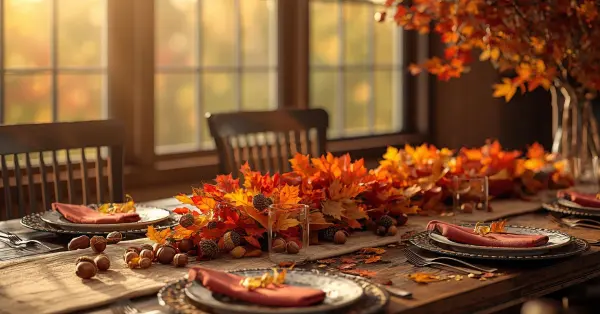
There’s a specific moment every year when summer quietly lets go, the light turns golden earlier in the afternoon, the air carries a little more chill, and something in you starts craving warmth. Candles feel a little more necessary. Blankets migrate from the closet to the couch. And your home, almost instinctively, starts asking for a refresh.
That’s the magic of fall decorating: it’s not about a dramatic overhaul, but about creating a space that mirrors the season itself, rich in color, layered in texture, and unmistakably cozy. Whether you’re drawn to a full mantel display with pumpkins and garland or you’d rather make one subtle swap per room, there’s a version of autumn styling that fits your space and your effort level.
This guide walks through every layer of a seasonal refresh color, texture, lighting, room-by-room ideas, and budget-friendly touches so you can build a fall home that feels intentional, not overdone.
Choosing Your Fall Color Palette
Color is the fastest way to signal a seasonal shift, and fall gives you one of the richest palettes of the year to work with. Think rust, terracotta, mustard, deep olive, and chocolate brown tones pulled straight from turning leaves, harvest produce, and warm autumn sunsets. These colors instantly read as cozy, even before you add a single texture or accessory.
If bold, saturated color isn’t your style, there’s a softer route too. Muted, modern fall palettes sage green, dusty plum, warm greige, and clay pink offer the same seasonal warmth with a more contemporary, understated feel. This palette works especially well in minimalist or Scandinavian-inspired homes where you still want a nod to autumn without overwhelming a neutral base.
The good news: you don’t need to repaint a single wall to make this shift. Accessories do the heavy lifting, think throw pillows, a runner, a vase, or even a stack of books with warm-toned spines. Swapping out a few key pieces per room is often enough to change the entire feel of a space.
One important balancing act: don’t let warm tones tip into overwhelming. Pair one or two statement colors with plenty of neutral background cream walls, natural wood, soft beige textiles so the fall palette reads as intentional and elevated, not like a seasonal decoration store exploded in your living room.
Layering Textures & Materials
If color sets the seasonal tone, texture is what makes a space feel genuinely cozy. Fall decorating leans heavily on tactile, layered materials the kind you want to sink into or run your hands across. Chunky knit throws, boucle cushions, and faux fur accents are the easiest starting point, instantly softening a room and inviting you to curl up.
Beyond textiles, natural materials play a huge role in fall styling. Wood, rattan, woven jute, and matte stoneware bring warmth without leaning on color at all. A rattan tray on the coffee table, a wooden bowl for produce, or stoneware mugs on open shelving all quietly reinforce the season through material alone.
The key technique here is layering combining multiple textures within a single vignette rather than relying on just one. A cozy corner might mix a chunky knit throw, a smooth ceramic vase, a woven basket, and a leather accent chair. The contrast between soft and structured, rough and smooth, is what creates visual depth and makes a space feel curated rather than flat.
Different rooms call for different textile choices too. Living rooms benefit from oversized, huggable textures, thick knits, corduroy pillow covers. Bedrooms can go heavier with flannel sheets or a wool blanket at the foot of the bed. Even bathrooms can join in with a waffle-knit bath mat or heavier hand towels.
Texture is often the most overlooked layer of seasonal decorating, but it’s arguably the one that makes a home actually feel like fall the moment you walk in.
Bringing in Natural & Organic Elements
Nothing grounds a fall space quite like elements pulled straight from the season itself. Pumpkins and gourds are the obvious starting point and while faux versions offer convenience and reusability, real ones bring an authenticity and subtle earthy scent that’s hard to replicate. Either way, the styling trick is the same: cluster them in varying sizes and colors rather than scattering single pieces around the room. A grouping of three to five on a console table or staircase reads far more intentional than one pumpkin per surface.
Dried botanicals are another easy win. Wheat stalks, pampas grass, and dried florals in a simple ceramic or glass vase require zero maintenance and last the entire season. They pair beautifully with branches carrying autumn leaves, which make a striking, low-effort centerpiece for a dining table or entry console.
Smaller natural accents pinecones, acorns, dried orange slices are perfect for filling decorative bowls, layering into a wreath, or scattering along a mantle. If you have access to a yard or park, foraging these yourself costs nothing and often looks more natural than store-bought versions.
There’s also a sustainability angle worth considering. Natural elements like branches, pinecones, and dried florals can often be composted or reused the following year, unlike single-use plastic decor. Choosing real, seasonal materials over disposable ones is a small way to make your fall styling a little more eco-conscious while still looking beautifully curated.
Setting the Mood with Lighting & Ambiance
As daylight hours shrink, lighting becomes one of the most powerful tools in fall decorating. It’s what transforms a space from simply “decorated” to genuinely inviting. Candles are the obvious centerpiece here, and scent matters just as much as style. Cinnamon, clove, fig, sandalwood, and amber are classic autumn notes that fill a room with warmth the moment they’re lit.
Styling candles well comes down to variation. Group pillar candles of different heights together on a tray, or mix tapers with votives along a mantel for a layered, flickering glow. Always keep safety in mind especially near dried florals, wreaths, or draped textiles, which can be surprisingly flammable. Keep flames a safe distance from anything dry or loose.
Beyond candles, soft ambient lighting extends the cozy feeling into the evening. String lights tucked into a bookshelf, a lantern on the porch, or a few battery-operated flameless candles in areas where an open flame isn’t practical all add to the effect. If your lamps allow it, switching to warmer-toned bulbs (rather than cool white) instantly makes a room feel more autumnal, even in daylight.
For scent without an open flame, simmer pots are a wonderful low-cost option. Just cinnamon sticks, orange peels, and cloves simmering on the stove can scent an entire home. Diffusers with warm essential oil blends work similarly and are safer for homes with pets or young children.
Room-by-Room Fall Styling Ideas
Every room in your home can carry a touch of fall, and the styling approach shifts slightly depending on the space. In the entryway, a seasonal wreath, a textured doormat, and a console table styled with a few pumpkins or a small vase of branches set the tone before guests even step inside.
The living room is often the star of fall decorating. A mantel styled with a mix of candles, greenery, and a statement mirror or art piece anchors the space, while swapped-out throw pillows and a chunky knit blanket over the sofa arm add instant coziness. A stack of warm-toned coffee table books finishes the look.
In the dining room, a table runner in plaid or a solid rust tone, paired with a simple centerpiece of gourds or candles, makes weeknight dinners feel a little more special. Cloth napkins in mustard or forest green add a nice finishing touch.
The kitchen can join in subtly seasonal tea towels, a bowl of real produce like apples or squash on the counter, and warm spice-inspired scents from a simmer pot.
Bedrooms benefit from layered bedding, flannel sheets, a wool throw, and warmer lighting while bathrooms can shift with a simple soap swap and a heavier hand towel. Even a home office can get a small refresh: a warm-toned desk accessory, a candle, or a small potted plant swapped for something more autumnal.
Budget-Friendly & DIY Fall Decor Ideas
Fall decorating doesn’t have to mean a shopping spree. Some of the most charming seasonal touches come from repurposing what you already own. A neutral throw pillow can get a seasonal update just by swapping the cover, and a plain glass vase becomes an instant centerpiece once filled with dried wheat or branches from your own yard.
DIY projects are another great way to keep costs down while adding a personal touch. A simple wreath made from dried leaves, eucalyptus, or even fabric scraps in fall tones can look just as elevated as a store-bought version and costs a fraction of the price. Painting mini pumpkins in muted, on-trend colors instead of buying pre-painted ones is another easy weekend project that lets you match your exact palette.
Thrift stores and vintage shops are often overlooked goldmines for fall styling. Look for stoneware vases, wooden trays, woven baskets, and brass candle holders pieces with a bit of age and character that tend to suit the season’s earthy aesthetic better than anything brand new.
For quick, low-cost wins, dollar stores and discount retailers are worth a visit each September. Items like glass jars, ribbon, faux florals, and basic candles can be dressed up with a little styling effort to look far more expensive than they were.
The overall philosophy: start with what you have, add a few inexpensive or handmade pieces, and resist the urge to buy everything new each season.
Fall Decor by Design Style
Fall decorating doesn’t have to look the same in every home; the season translates beautifully across a range of design aesthetics, each with its own take on autumn warmth.
Modern minimalist fall decor leans into a restrained palette, think one or two warm accents (a single vase of dried branches, a neutral knit throw) against a mostly clean, uncluttered backdrop. The goal is subtlety: a nod to the season without visual noise.
Farmhouse and rustic styles embrace fall most enthusiastically, with galvanized metal containers, plaid textiles, wooden crates, and generous use of real pumpkins and hay. This aesthetic thrives on abundance and natural imperfection.
Traditional and classic fall decor favors richer, more formal touches: brass candlesticks, jewel-toned velvet pillows, elegant florals, and symmetrical mantel arrangements. It’s polished rather than rustic, with an emphasis on timeless pieces.
Boho interiors bring fall in through texture and pattern rather than literal seasonal icons macrame, layered rugs, dried pampas grass, and warm terracotta tones that already suit the boho palette year-round, just leaned into more heavily.
For those drawn to a moodier aesthetic, dark academia-inspired fall decor leans into deep burgundy, forest green, and chocolate brown, paired with vintage books, brass details, and warm, low lighting. It feels literary and a little dramatic, perfect for autumn evenings.
Whatever your existing style, fall decor works best when it enhances your home’s foundation rather than fighting against it.
Curb Appeal & Outdoor Fall Styling
Fall decorating shouldn’t stop at your front door. Your porch and outdoor spaces are often the first impression of the season, both for guests and for you every time you come home.
Porch styling is where fall gets to be a little more expressive. A cluster of pumpkins in varying sizes, paired with mums in warm oranges and deep purples, instantly signals the season. For a more layered look, add height with a small hay bale or a wooden crate, then build the arrangement around it with taller elements in back, smaller pumpkins and gourds cascading toward the front.
Your front door deserves its own moment too. A wreath is the classic choice, but consider going beyond traditional silk leaves, dried florals, wheat, or even a mix of textures like cotton stems and eucalyptus feel more elevated and less costume-like. Flanking the door with matching planters of mums or ornamental kale ties the whole entrance together.
As daylight hours shrink, outdoor lighting becomes more important functionally and aesthetically. String lights along a porch railing, lanterns flanking the front steps, or a few well-placed solar path lights extend the cozy feeling outdoors and make coming home after dark feel warmer.
Finally, don’t overlook your planters and window boxes. Swapping summer annuals for ornamental cabbage, kale, or mums paired with a few dried grass stems for height keeps your outdoor greenery looking intentional straight through the season.
Transitioning Your Decor Through the Season
Fall isn’t a single static look; it evolves as the weeks pass, and the best-styled homes shift gently along with it rather than staying frozen in one moment from September through November.
Early fall decor tends to be lighter and more transitional. Think warm-toned accessories layered over an otherwise summery base: a few pumpkins on the porch, a cozier throw on the sofa, but windows still open and greenery still fresh. This is the stage where you’re easing into the season rather than committing fully.
By mid-to-late fall, decor typically deepens. Richer colors come forward, candles get used more often, and natural elements shift from fresh to dried as outdoor temperatures drop. This is often when a full mantel display or a more elaborate centerpiece feels most appropriate.
For homes that celebrate it, Halloween decor can overlap naturally with general fall styling, think black and white pumpkins, subtle spooky accents, or simply leaning into darker tones for a few weeks without requiring a complete decor swap.
As November arrives, many homes begin the gentle shift toward Thanksgiving and early winter, phasing out anything Halloween-specific while keeping the warm, harvest-inspired elements that work through the colder months: gourds, dried florals, and rich color palettes.
A good rule of thumb: keep versatile, neutral-toned fall pieces on display through the whole season, and treat trend-specific or holiday-specific items as easy swaps you can rotate in and out.
Common Fall Decorating Mistakes to Avoid
Even with the best intentions, it’s easy for fall decor to tip from cozy into cluttered or costume-like. A few common missteps can undercut an otherwise beautiful seasonal refresh.
The most frequent mistake is overdoing the kitsch. Plastic skeletons, oversized inflatable pumpkins, or novelty decor scattered throughout every room can make a home feel more like a seasonal pop-up shop than a curated living space. A better approach is to choose a handful of quality pieces, a nice wreath, a few well-styled pumpkins, a good throw rather than filling every surface with seasonal trinkets.
Clashing color combinations are another common pitfall. Fall’s palette is warm and earthy, but that doesn’t mean every warm tone works together. Mixing too many competing shades, say, bright orange, deep burgundy, and mustard yellow all in one small vignette can feel chaotic rather than intentional. Stick to two or three coordinated tones per space.
Ignoring scale and proportion is a subtler mistake but just as impactful. A tiny pumpkin lost on a large console table, or an oversized wreath overwhelming a small door, throws off the visual balance of a space. Take a step back and assess how each piece relates to its surroundings before finalizing a vignette.
Finally, fire safety deserves real attention. Candles placed too close to dried florals, wreaths, or draped fabric create a genuine hazard. Always leave adequate clearance, and consider flameless candles in high-risk spots like near curtains or dense greenery.
Final Thoughts: Bringing It All Together
Fall home decorating, at its best, isn’t about buying everything new or recreating a magazine spread in every room. It’s about noticing the small shifts the season brings the earlier sunsets, the cooler air, the craving for warmth and texture and letting your home reflect that same shift.
Start small if you need to. A new throw pillow cover, a cluster of pumpkins on the entry table, a candle with the right scent any one of these can shift the feeling of a room without requiring a full overhaul. From there, you can build outward: a mantel display, a refreshed dining table, a porch that welcomes you home in the dark evenings ahead.
Remember that the most successful fall spaces balance a few key principles covered throughout this guide: a warm but not overwhelming color palette, layered textures, natural elements used thoughtfully, and lighting that extends the coziness into the evening. Whether your style leans minimalist, farmhouse, traditional, or something entirely your own, fall decor works best when it feels like an extension of your home rather than a costume laid over it.
As you start pulling out bins of seasonal decor or planning a few new purchases, keep the goal simple: create a space that makes you want to slow down, light a candle, and enjoy the season. That’s really what fall decorating is all about.
What’s the first thing you’re changing in your home this fall? Share your favorite fall decor tip in the comments below.
Frequently Asked Questions
When should I start decorating for fall? Most people begin in early-to-mid September, right as the weather starts to shift. There’s no strict rule, though some start as soon as pumpkin spice season hits the stores, while others wait until late September or early October when the air actually feels cooler.
How do I decorate for fall without it looking like Halloween? Focus on warm colors, natural textures, and organic elements like pumpkins, gourds, and dried florals rather than costumes, skeletons, or overtly spooky decor. Keeping the palette earthy and the styling simple naturally reads as “fall” rather than “Halloween.”
Are real pumpkins better than faux ones? Both have their place. Real pumpkins offer authenticity and a natural look but typically only last four to eight weeks before softening. Faux pumpkins cost more upfront but can be reused for years, making them a better long-term value if you decorate every season.
How much should I spend on fall decor? There’s no set budget; it can range from a $20 wreath refresh to a full seasonal overhaul. Repurposing existing pillows, throws, and vases with a few new seasonal pieces is the most cost-effective approach.
What’s the easiest room to start with? The entryway or living room mantel tends to offer the most visual impact for the least effort. A wreath, a few pumpkins, and a candle or two can transform the space in under an hour.
When should I take the fall decor down? Most people transition pieces gradually into Thanksgiving, then swap fully to winter decor by early-to-mid December.

Tennessee Williams was an iconic American playwright, famous for emotional dramas like A Streetcar Named Desire, influencing modern theatre worldwide short bio crafted by punsora.com for readers seeking quick literary insight.