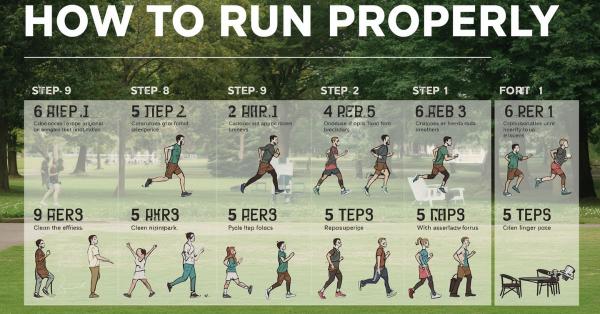
Running is one of the most accessible forms of exercise there is. All you really need is a decent pair of shoes and a bit of motivation to step out the door. Yet despite how simple it sounds, a huge number of beginners give up within the first few weeks, often because they start too fast, skip proper preparation, or push through pain instead of working with their body.
This guide is designed to change that. Whether you’re lacing up for the very first time, easing back in after a long break, or recovering from an injury, you’ll find everything you need here: from choosing the right gear and mastering proper form, to building a realistic training plan and staying motivated for the long haul.
Running isn’t about being fast or perfect from day one. It’s about showing up consistently and building a habit that lasts. Let’s get started.
Why Running? Understanding the Benefits

Running offers one of the best returns on investment of any form of exercise, both for the body and the mind.
Physical benefits are extensive. Running strengthens the cardiovascular system, improving heart health and lung capacity over time. It’s also one of the most effective ways to manage weight, since it burns a significant number of calories per session. Beyond that, running builds bone density, which helps reduce the risk of osteoporosis, and tones muscles throughout the legs, core, and even upper body as your form develops.
Mental health benefits are just as significant. Running triggers the release of endorphins, often referred to as a “runner’s high,” which can noticeably reduce stress and anxiety. Many runners also report improved mood and a greater sense of mental clarity after a run. Over time, regular running has been linked to better sleep quality, as physical activity helps regulate the body’s natural sleep cycles.
Long-term health benefits extend even further. Studies consistently link regular running with a reduced risk of chronic diseases such as heart disease, type 2 diabetes, and certain cancers. It’s also associated with increased longevity and sustained energy levels throughout the day.
Accessibility is what makes running stand out from many other forms of exercise. It requires minimal equipment, costs little to nothing beyond a good pair of shoes, and can be done almost anywhere, whether that’s a neighborhood street, a local park, or a treadmill at home.
Getting the Right Gear
The good news about running is that you don’t need much to get started, but a few key pieces of gear make a real difference in comfort and injury prevention.
Running shoes are the single most important investment. A proper fit matters more than brand or price, since ill-fitting shoes are one of the leading causes of beginner injuries. Many specialty running stores offer a gait analysis, which looks at how your foot moves and strikes the ground, to recommend the right shoe type. Broadly, shoes fall into a few categories: neutral shoes for those with a normal gait, stability shoes for mild overpronation, and cushioned shoes for extra shock absorption.
Clothing should prioritize function over fashion. Moisture-wicking fabrics pull sweat away from the skin and help prevent chafing, unlike cotton, which holds moisture and can become heavy and uncomfortable. Layering is key for changing weather, allowing you to add or remove clothing as your body warms up during a run.
Weather-specific gear rounds out a beginner’s wardrobe. In cold weather, thermal layers and gloves help maintain body heat. In sunny conditions, a hat and sunscreen protect against UV exposure. For wet weather, a lightweight, water-resistant jacket keeps you dry without overheating.
Optional gear can enhance the experience but isn’t essential to start. A fitness watch or tracker helps monitor pace and distance, a running belt can carry essentials like keys or a phone, and reflective gear improves visibility for early morning or evening runs.
Assessing Your Starting Point
Before diving into a training plan, it’s worth taking a moment to honestly evaluate where you’re starting from. This helps you choose a pace and plan that actually fits your body, rather than one designed for someone else’s fitness level.
Do a basic fitness self-check. Notice how you feel during everyday activities like climbing stairs or walking briskly. Are you generally winded, or do you have decent stamina already? This isn’t about judgment, just a way to gauge your current baseline honestly.
Consult a doctor if needed. If you have any pre-existing health conditions, such as heart problems, joint issues, asthma, or you’ve been largely sedentary for a long period, it’s worth checking in with a doctor before starting a running routine. This is especially important for those returning after an injury or managing a chronic condition, since a professional can flag any specific precautions to take.
Set a baseline. Take note of your current activity level, whether that’s walking regularly, doing other forms of exercise, or starting from largely no activity at all. Also consider any past injuries, particularly related to knees, ankles, or hips, since these areas are common trouble spots for new runners and may need extra attention or a slower progression.
Having a clear, honest picture of where you’re starting from makes it much easier to set realistic goals and avoid the common beginner mistake of doing too much, too soon.
Setting Realistic Goals
Having a clear goal in mind makes it far easier to stay consistent, especially in those early weeks when running can feel uncomfortable or discouraging.
Identify your “why.” Are you running to lose weight, train for a race, relieve stress, or simply improve overall health? Your underlying motivation shapes what kind of plan and pace makes sense for you, and reminding yourself of it on tough days can help you push through.
Use the SMART goal framework. Goals that are specific, measurable, achievable, relevant, and time-bound tend to stick far better than vague intentions. Instead of “I want to run more,” a SMART goal looks like “I want to run for 20 minutes without stopping within 6 weeks.”
Separate short-term and long-term goals. Short-term goals might include running three times a week for a month or completing a 5K without walking. Long-term goals could involve training for a half marathon or hitting a specific pace over a longer distance. Having both keeps you motivated day-to-day while working toward something bigger.
Track your progress. Whether through a running app, a simple notebook, or a fitness wearable, keeping a record of your runs, distance, time, and how you felt, helps you see improvement over time, even when progress feels slow in the moment. Looking back at where you started after a few weeks is often the best motivation to keep going.
Warming Up Properly
Skipping a warm-up is one of the most common beginner mistakes, yet it plays a major role in both injury prevention and overall performance.
Why warming up matters. A proper warm-up gradually raises your heart rate and body temperature, increases blood flow to your muscles, and prepares your joints for the impact of running. Without it, muscles are stiffer and more prone to strains, and your body simply isn’t as ready to perform.
Dynamic vs. static stretching. Dynamic stretches involve movement, think leg swings or walking lunges, and are ideal before a run because they activate muscles while improving range of motion. Static stretches, where you hold a stretch in place, are better saved for after a run, since stretching cold muscles statically can actually increase injury risk rather than prevent it.
A sample 5-10 minute warm-up routine might include: brisk walking or light jogging for 2-3 minutes, followed by leg swings (front-to-back and side-to-side) for each leg, walking lunges, high knees, and butt kicks, each done for about 30 seconds. Finish with a few dynamic hip openers to loosen the hip flexors before you start running.
Mental preparation matters too. Taking a minute before you start to set an intention for the run, whether that’s simply “finish comfortably” or “focus on breathing”, helps shift your mindset into the right gear and can make the run itself feel more purposeful.
Mastering Proper Running Form
Good form doesn’t just make running feel easier, it also significantly reduces the risk of injury over time.
Head and shoulder alignment. Keep your head up and eyes forward, rather than looking down at your feet. Shoulders should stay relaxed and level, not hunched up toward your ears, which is a common tension point for beginners, especially as fatigue sets in.
Arm swing and hand positioning. Arms should swing naturally from the shoulder, bent at roughly a 90-degree angle, moving forward and back rather than crossing in front of the body. Hands should stay relaxed, as if lightly holding a potato chip without breaking it, since clenched fists waste energy over a longer run.
Core engagement. A slightly engaged core helps maintain stability and good posture throughout your stride, preventing excessive twisting or slouching as you fatigue.
Foot strike and stride length. Most runners naturally land on their midfoot, which helps absorb impact more evenly than a heavy heel strike. Overstriding, or reaching your foot too far in front of your body, increases impact stress on the joints, so aim for a stride that lands roughly under your hips.
Breathing techniques. Rhythmic breathing, syncing your breath with your steps (for example, inhaling for three steps and exhaling for two) can improve endurance and reduce side stitches. Breathing through both the nose and mouth is generally more efficient than nose-only breathing during exertion.
Common mistakes include overstriding, tensing the shoulders, and looking down instead of ahead, all of which are worth periodically checking for during a run.
Beginner Running Plans
For most beginners, jumping straight into continuous running is a recipe for burnout or injury. A structured, gradual plan makes the process far more sustainable.
The walk-run method is the most beginner-friendly approach. It involves alternating between short intervals of running and walking, gradually increasing the running portions as your fitness improves. This method allows your cardiovascular system and muscles to adapt without overwhelming either.
A sample 4-8 week progression plan might look like this:
- Weeks 1-2: Run 1 minute, walk 2 minutes, repeated for 20-25 minutes total, 3 times per week
- Weeks 3-4: Run 2 minutes, walk 2 minutes, repeated for 25-30 minutes, 3 times per week
- Weeks 5-6: Run 5 minutes, walk 2 minutes, repeated for 25-30 minutes, 3-4 times per week
- Weeks 7-8: Run 10 minutes, walk 1-2 minutes, working toward continuous 20-30 minute runs, 3-4 times per week
This is a general template. Actual progression should be adjusted based on individual fitness and comfort at each stage.
Knowing when to progress. A good rule of thumb is that if a stage feels comfortable and you’re not overly fatigued or sore afterward, you’re ready to move to the next stage. If a stage still feels challenging, it’s completely fine to repeat it for an extra week before advancing.
Adjusting the plan. Every runner’s body responds differently. Some may need to move through stages more slowly, while others may progress faster. The plan is a guide, not a rigid rulebook, and listening to your body should always take priority over sticking strictly to a schedule.
Understanding Pacing
One of the most common mistakes beginners make is running too fast, too soon. Understanding pacing helps you build endurance sustainably rather than burning out in the first few minutes.
Easy pace vs. tempo pace vs. race pace. Easy pace is a comfortable, conversational speed where you could hold a conversation without gasping for breath, and this should make up the vast majority of a beginner’s training. Tempo pace is moderately harder, often described as “comfortably hard,” and is typically introduced later as fitness improves. Race pace is the fastest, most demanding effort, reserved for race day or specific speed workouts, not everyday training runs.
Using perceived exertion (RPE). The Rate of Perceived Exertion scale, typically from 1 to 10, is a simple way to self-gauge intensity without needing any equipment. For most beginner runs, aiming for a 4-5 out of 10, comfortably challenging but sustainable, is ideal.
Heart rate zones for beginners. For those using a fitness tracker, staying in Zone 2 (roughly 60-70% of max heart rate) for most training runs builds aerobic base fitness efficiently without overtraining. Max heart rate can be roughly estimated as 220 minus your age, though this varies by individual.
Why starting too fast backfires. Running too fast early on leads to premature fatigue, increased injury risk, and often makes the entire experience feel unnecessarily hard, which is a major reason many beginners quit early. Slowing down, even if it feels “too easy” at first, is almost always the better long-term strategy.
Nutrition and Hydration for Runners
What you eat and drink around your runs has a real impact on how you feel and perform, especially as you build consistency.
Pre-run fueling. Eating a light, carbohydrate-focused snack 30-60 minutes before running, such as a banana or a slice of toast, provides accessible energy without weighing you down. For runs longer than an hour, a slightly larger meal 2-3 hours beforehand, combining carbs with some protein, works well. Avoid heavy, fatty, or high-fiber meals right before running, as these can cause stomach discomfort.
Hydration guidelines. Drinking water throughout the day, not just right before a run, keeps you properly hydrated. For runs under an hour, water alone is typically sufficient. For longer runs, especially in hot weather, replacing electrolytes lost through sweat becomes more important, which sports drinks or electrolyte tablets can help with.
Post-run recovery nutrition. After running, the body benefits from a combination of carbohydrates to replenish energy stores and protein to support muscle repair. Eating within an hour or two of finishing a run, when possible, helps optimize recovery. Simple options include a smoothie, yogurt with fruit, or a balanced meal with lean protein and whole grains.
Common mistakes include running on a completely empty stomach for longer runs, under-hydrating throughout the day and trying to compensate right before a run, and neglecting recovery nutrition altogether after tougher sessions.
Cooling Down and Recovery
Importance of a proper cooldown. Gradually slowing down rather than stopping abruptly helps your heart rate and breathing return to normal safely, and reduces the likelihood of dizziness or blood pooling in the legs.
Post-run static stretching. Unlike before a run, static stretching is ideal afterward, when muscles are warm and more pliable. Focus on major muscle groups used in running: calves, hamstrings, quads, and hip flexors, holding each stretch for 20-30 seconds.
Active recovery vs. rest days. Active recovery involves light activity, such as walking, easy cycling, or gentle yoga, on days you’re not running, which promotes blood flow without adding training stress.
Recovery tools. Foam rolling can help release muscle tightness and improve mobility, particularly in the calves and IT band, common trouble spots for runners. Massage, whether professional or self-administered, offers similar benefits. Quality sleep, however, remains the single most impactful recovery tool, since much of the body’s repair process happens during deep sleep.
Signs your body needs more recovery. Persistent soreness, unusual fatigue, irritability, or a noticeable dip in performance are all signals that you may need an extra rest day or two before your next run.Injury Prevention and Management
Common beginner injuries. Shin splints, a dull ache along the shinbone, often result from increasing mileage too quickly or running on hard surfaces without adequate footwear. Runner’s knee causes pain around or behind the kneecap and is frequently linked to weak supporting muscles or improper form.
The importance of rest days and cross-training. Building in at least 1-2 rest days per week allows your body to adapt and rebuild stronger. Cross-training activities like swimming, cycling, or strength training help build overall fitness and muscular support while giving running-specific muscles and joints a break from repetitive impact.
Running Environments and Terrain
Where you run can shape both the experience and the physical demands placed on your body, so it’s worth understanding the differences.
Treadmill vs. outdoor running. Treadmills offer a controlled environment, consistent surface, and protection from weather, making them a good option for beginners or those in extreme climates. However, outdoor running engages stabilizing muscles more, due to natural terrain variation, and many runners find it mentally more engaging with changing scenery. Neither is inherently better, and alternating between the two often works well.
Running on different surfaces. Roads offer a predictable, even surface but can be harder on the joints due to their firmness. Trails provide a softer landing and engage more stabilizing muscles, but require extra attention to footing due to uneven terrain. Tracks offer a controlled, cushioned surface ideal for beginners focusing on pacing, though running repeatedly in one direction can create slight muscular imbalances over time.
Adjusting for hills and weather. On uphills, shortening your stride and leaning slightly forward from the ankles (not the waist) helps maintain efficiency. On downhills, controlled, shorter strides help prevent excessive impact on the knees. In hot weather, slowing your pace and running during cooler parts of the day helps prevent overheating, while cold weather calls for a slightly longer warm-up to prepare muscles properly.
Safety tips for outdoor running. Running against traffic on roads improves visibility of oncoming vehicles, wearing reflective gear is essential during low-light hours, and letting someone know your route, or avoiding unfamiliar isolated areas alone, adds an extra layer of safety.
Common Mistakes Beginners Make
Even motivated beginners tend to fall into a few predictable traps. Being aware of them ahead of time makes it much easier to avoid derailing your progress.
Increasing mileage too quickly. A widely recommended guideline, often called the “10% rule,” suggests increasing weekly mileage by no more than about 10% at a time. Jumping up too fast is one of the leading causes of overuse injuries in new runners.
Wearing worn-out or improper shoes. Running shoes typically lose their cushioning and support after 300-500 miles, even if they still look fine externally. Continuing to run in worn-out shoes, or wearing shoes not suited to your gait, significantly increases injury risk.
Skipping warm-ups and cooldowns. In the rush to just get a run done, many beginners skip these entirely, missing out on injury prevention benefits and making the run itself feel harder than it needs to.
Ignoring pain signals. There’s a meaningful difference between normal muscle fatigue and pain that signals an actual problem. Pushing through sharp, localized, or worsening pain, rather than addressing it early, often turns a minor issue into a more serious injury.
Comparing progress to others. Every runner’s starting point, body, and progression timeline is different. Comparing your pace or distance to more experienced runners, whether in person or on social media, often leads to discouragement or pushing too hard, too soon, rather than focusing on your own steady improvement.
Staying Motivated Long-Term
Getting started is one thing, but staying consistent over weeks and months is where most beginners struggle. A few strategies can make a real difference in sticking with it.
Set mini-goals and celebrate milestones. Rather than focusing solely on a distant, big-picture goal, breaking progress into smaller milestones, like completing your first full 20-minute run or hitting a new personal best distance, gives you regular wins to acknowledge along the way.
Run with a friend, group, or club. Having a running partner or joining a local running group adds accountability and makes runs more enjoyable through social connection. Many communities have beginner-friendly running clubs specifically designed to welcome new runners at any pace.
Use apps, music, or podcasts. Running apps can gamify progress through badges, streaks, or virtual challenges, which some runners find motivating. Music or podcasts can also make time pass more quickly and make runs feel more enjoyable, particularly during longer or repetitive routes.
Sign up for a race. Having a race on the calendar, even a beginner-friendly 5K, gives you a concrete target date to train toward, which often provides more structure and motivation than an open-ended goal.
Handle setbacks and plateaus. Missed runs, minor injuries, or periods where progress feels stalled are a normal part of the process, not a sign of failure. Approaching these moments with flexibility, adjusting your plan rather than abandoning it entirely, is often what separates long-term runners from those who quit early.
Frequently Asked Questions
How often should beginners run per week? Most beginners do well starting with 3 runs per week, spaced out with rest or cross-training days in between. This frequency allows enough recovery time while still building consistency and fitness.
How do I avoid common injuries? Following the 10% rule for mileage increases, wearing proper footwear, warming up and cooling down consistently, and listening to pain signals rather than pushing through them are the most effective ways to prevent common running injuries.
What’s a good beginner running distance or time? There’s no universal number, but many beginners aim to build up to running continuously for 20-30 minutes, or roughly a 5K distance, as an early milestone. Starting with even 10-15 minutes using the walk-run method is a perfectly reasonable starting point.
Can I run every day? While possible for some experienced runners, daily running isn’t generally recommended for beginners. Rest days allow muscles, joints, and connective tissue time to recover and adapt, reducing injury risk significantly.
How soon will I see results? Many beginners notice improved stamina and easier breathing within 2-4 weeks of consistent running. Visible fitness changes, like weight management or muscle tone, typically take longer, often 8-12 weeks of consistent effort.
What if I can’t run for very long without stopping? This is completely normal for beginners. The walk-run method exists specifically for this reason, allowing you to build endurance gradually rather than needing to run continuously from day one.
Conclusion
Learning how to run isn’t about natural talent or starting fast, it’s about showing up consistently, respecting your body’s pace, and building the habit one step at a time. From choosing the right shoes and mastering proper form, to pacing yourself wisely and prioritizing recovery, every piece covered in this guide plays a part in making running feel sustainable rather than overwhelming.
Progress won’t always be linear. Some weeks will feel easier than others, and that’s completely normal. What matters most is staying patient with yourself, listening to your body, and giving consistency more weight than perfection.
Whether your goal is running your first 5K, relieving stress after a long day, or simply building a healthier lifestyle, the path forward starts with a single run. Lace up, start slow, and trust the process. You’ll be surprised how far you can go.