Search “how to heal cavities in 2 days at home “and you’ll find no shortage of promises: apple cider vinegar rinses, oil pulling, baking soda pastes, all claiming to undo tooth decay in a matter of days. It’s an appealing idea: skip the dentist, skip the drill, fix it yourself. But it’s also mostly wrong, and believing it can cost you a tooth.
Here’s the truth: your enamel can repair itself, but only during a narrow early window, before decay actually breaks through and forms a hole. Once that happens, no home remedy no matter how popular on social media can rebuild lost tooth structure. Waiting it out risks turning a small problem into a root canal or extraction.
This article separates the science from the myth: what remineralization really means, which at-home habits genuinely help, and just as importantly how to recognize when you need to stop experimenting and see a dentist.
What a Cavity Actually Is
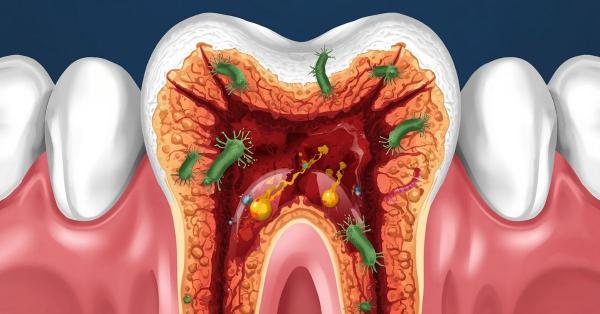
To understand what can and can’t be reversed, it helps to know how a tooth is built. Your tooth has three layers: enamel, the hard outer shell; dentin, a softer layer underneath that’s more sensitive and porous; and the pulp, the innermost core containing nerves and blood vessels.
Cavities don’t appear overnight. They’re the result of an ongoing acid attack. Bacteria in your mouth feed on sugars and starches from food, producing acid as a byproduct. That acid strips minerals calcium and phosphate out of your enamel, a process called demineralization. In a healthy mouth, saliva and minerals from food/toothpaste partially offset this through remineralization, redepositing lost minerals back into the enamel. Cavities form when demineralization consistently outpaces remineralization over time.
Early on, this shows up as a white spot lesion, a chalky, opaque patch on the tooth where enamel has weakened but hasn’t yet collapsed. At this stage, the enamel surface is still intact, just mineral-depleted.
If the acid attack continues unchecked, the weakened enamel eventually breaks down structurally, creating an actual hole in a cavity (also called cavitation). Once there’s a physical hole, especially one reaching the dentin layer, it’s no longer a matter of missing minerals; actual tooth structure is gone.
This distinction between mineral loss vs. structural loss is the single most important concept in this article, and the next section breaks down exactly why it determines whether home care can help.
The Stage That CAN Be Reversed
Not every early cavity warning sign means irreversible damage. The window for true reversal is the white spot lesion stage, the point where enamel has lost minerals but hasn’t yet caved in structurally.
What it looks like: a chalky white, sometimes yellowish-brown, opaque patch on the tooth surface, often near the gumline or between teeth. Unlike a cavity, the surface is still smooth and unbroken when you run a dental probe or your tongue over it with no dip, no roughness, no hole.
Why reversal is possible here: the enamel’s mineral structure (hydroxyapatite crystals) has been partially dissolved, but the underlying framework is still intact. Given the right conditions, enough calcium, phosphate, and fluoride available, and enough time without constant acid attack, minerals can redeposit into that framework and effectively “re-harden” the enamel.
Signs you might be in this window:
- A white or chalky spot with no visible pit or hole
- Mild or no sensitivity to hot/cold/sweet
- No pain when biting or chewing
- The spot was noticed recently, not something that’s been growing for months
Important caveat: telling early demineralization apart from an actual cavity by eye alone is unreliable. Dentists use visual exams, probing, and X-rays to confirm which stage a lesion is in. Self-diagnosis from a mirror isn’t a substitute. If there’s any doubt, that uncertainty itself is a reason to get it checked before relying on home care alone.
The Stage That CANNOT Be Reversed at Home
Once a cavity has actually formed meaning the enamel surface has physically broken down into a hole, pit, or rough spot home remedies can no longer help. This is the point where the problem shifts from “missing minerals” to “missing structure,” and minerals alone can’t rebuild a hole the way scaffolding can’t regrow on its own.
Why remineralization stops working here: fluoride, hydroxyapatite, and similar treatments can only redeposit minerals onto an existing, intact enamel framework. Once that framework has collapsed, there’s nothing left for new minerals to bond to. No toothpaste, rinse, or oil can regenerate lost enamel or dentin; human teeth simply don’t have that regenerative capacity once structure is lost.
Why waiting is risky: decay doesn’t pause while you experiment with home remedies. Left untreated, it continues spreading from enamel into dentin, and eventually toward the pulp, where nerves and blood vessels live. This can lead to infection, abscess, severe pain, and in advanced cases, tooth loss.
Red flags that mean it’s too late for home care alone:
- A visible hole, pit, or rough/broken area on the tooth
- Dark brown or black discoloration (not just a white spot)
- Sensitivity or pain when eating hot, cold, or sweet foods
- Pain when biting or chewing
- Any swelling, bad taste, or foul odor (possible signs of infection)
If any of these apply, the priority is a dentist visit not a home remedy trial.
What Actually Works for Early-Stage Remineralization
If you’re genuinely in the white-spot-lesion window, some home strategies do have real evidence behind them. Others are popular but unproven.
Fluoride: The most well-supported option. Fluoride helps rebuild enamel by forming fluorapatite, a mineral structure more acid-resistant than the original enamel. OTC fluoride toothpaste and mouthwash help with daily upkeep; dentists can also apply prescription-strength fluoride varnish for a stronger effect.
Hydroxyapatite toothpaste: Contains a synthetic version of the mineral enamel is made of. Research suggests it can support remineralization, and it’s often marketed as a fluoride-free alternative, though fluoride still has the larger evidence base.
Xylitol: A sugar substitute that cavity-causing bacteria can’t easily use as fuel. Regular use (gum, mints) may reduce bacterial acid production over time, indirectly supporting remineralization.
Saliva’s role: Saliva naturally carries calcium, phosphate, and buffers acid. Staying hydrated, chewing sugar-free gum, and treating chronic dry mouth (a side effect of some medications) all support this natural defense.
Diet adjustments: Frequency matters more than total sugar amount. Constant snacking keeps your mouth in acid-attack mode. Spacing out sugary or acidic food/drink reduces demineralization time.
Weak or unproven remedies: Oil pulling, baking soda pastes, and apple cider vinegar rinses are popular online but lack strong clinical evidence for reversing lesions and ACV’s acidity can actually erode enamel further with frequent use.
A Realistic At-Home Routine
If you’re working with an early white spot lesion, consistency matters more than any single product. Here’s a practical daily routine built around the strategies with real evidence behind them.
Morning:
- Brush for two minutes with a fluoride toothpaste (or hydroxyapatite, if you prefer a fluoride-free option)
- Avoid rinsing with water immediately after let the residual fluoride stay on your teeth a few minutes longer
Throughout the day:
- Limit sugary or acidic food/drink to mealtimes rather than grazing throughout the day
- Chew xylitol gum after meals to stimulate saliva and reduce bacterial acid production
- Stay hydrated to keep saliva flow steady
Evening:
- Brush again with fluoride toothpaste, floss to clear plaque from between teeth where lesions often start
- Consider an alcohol-free fluoride mouthwash if recommended by your dentist
Weekly/ongoing:
- Avoid frequent use of acidic rinses (like ACV) that could offset your progress
- Monitor the spot for changes: is it staying the same, shrinking, or developing texture/roughness?
Timeline expectations: Remineralization is slow. Meaningful change typically takes weeks to a few months of consistent care, not days. “Improvement” looks like a white spot becoming less chalky/opaque and blending more with surrounding enamel not disappearing overnight.
One caveat: this routine supports early-stage remineralization; it does nothing for an existing hole. If the spot changes texture, darkens, or starts hurting, stop relying on home care and get it checked.
Common Myths Debunked
Misinformation about “curing” cavities at home spreads fast, especially on social media. Here’s why some of the most common claims don’t hold up.
“You can heal a cavity in 2 days.” Remineralization, even under ideal conditions, works over weeks to months; it’s a gradual mineral rebuilding process, not a quick fix. Any claim promising results in days is describing something biologically impossible, not a shortcut.
“Oil pulling pulls out the decay.” Swishing oil (usually coconut or sesame) is claimed to “detoxify” teeth and reverse cavities. There’s some weak evidence it may reduce oral bacteria slightly, but no credible evidence it rebuilds enamel or reverses an actual cavity.
“Apple cider vinegar dissolves the bad bacteria and heals the tooth.” ACV is acidic; using it as a rinse can demineralize enamel further, doing the opposite of what’s claimed. If used, it should be heavily diluted and rinsed after, not treated as a treatment.
“If it doesn’t hurt, it’s fine.” Pain is a late symptom, not an early one. Early decay and even some deeper cavities can be painless until they reach the nerve waiting for pain as a signal often means waiting too long.
“My friend’s cavity healed with baking soda, so it works.” Anecdotes conflate two different things: an actual cavity healing (not possible without dental intervention) versus a white spot lesion remineralizing (possible, and easy to mistake for “curing a cavity”). Personal stories aren’t a substitute for what’s actually happening at the tooth structure level.
When to See a Dentist (Non-Negotiable Signs)
Home care has a real role for early-stage lesions, but certain signs mean it’s time to stop experimenting and book a dental visit. No amount of fluoride, xylitol, or diet change will resolve these on their own.
A visible hole, pit, or rough spot. If you can see or feel an actual dip, crater, or break in the tooth surface (with your tongue or a mirror), the enamel has already collapsed structurally. This needs a filling, not a home remedy.
Dark brown or black discoloration. Unlike the chalky white of an early lesion, dark staining usually signals decay has progressed further into the tooth, not just mineral loss on the surface.
Sensitivity to hot, cold, or sweets. Sharp or lingering sensitivity often means decay has reached the dentin layer, which sits closer to the nerve and reacts to temperature and sugar in a way healthy enamel doesn’t.
Pain when biting or chewing. This can indicate decay is deep enough to affect the tooth’s structural integrity or is nearing the pulp.
Swelling, bad taste, or persistent bad breath from one area. These can be signs of infection or abscess a dental emergency, not a wait-and-see situation.
A lesion that’s changing. If a white spot starts developing texture, roughness, or darkening over time, it’s progressing past the reversible stage.
If any of these apply, the right move is a dental appointment, ideally soon not a longer trial of home remedies.
Prevention Going Forward
Whether you’re currently managing a white spot lesion or simply want to avoid one forming, prevention comes down to a handful of consistent habits not intensive routines, but ones that need to be maintained long-term.
Brush and floss daily, properly. Two minutes of brushing with fluoride toothpaste, twice a day, plus daily flossing to clear plaque from between teeth the areas a toothbrush can’t reach and where lesions commonly start.
Rethink snacking frequency, not just sugar amount. Every time you eat something sugary or acidic, your mouth enters an acid-attack phase for about 20–30 minutes. Grazing throughout the day keeps your teeth in near-constant acid exposure, even if the total sugar consumed is modest. Eating sweets with meals, rather than between them, gives saliva more recovery time.
Support saliva production. Saliva is your mouth’s natural defense system; it buffers acid and redeposits minerals. Staying hydrated, chewing sugar-free (ideally xylitol) gum, and addressing chronic dry mouth all help.
Use fluoride consistently. Daily fluoride toothpaste is the single most evidence-backed prevention tool available at home.
Don’t skip regular dental checkups and cleanings. Professional cleanings remove plaque and tartar buildup that brushing alone can’t, and checkups catch white spot lesions or early decay before they progress while reversal is still possible.
Prevention isn’t about being perfect daily, it’s about consistency over time, since cavities form from cumulative acid exposure, not a single bad day of eating.
Conclusion
The idea of healing a cavity in two days at home is appealing, but it doesn’t match how tooth decay actually works. What is true and worth acting on is that early demineralization, the white spot lesion stage, can genuinely be reversed with consistent fluoride use, good oral hygiene, smart dietary choices, and time. That’s a real, evidence-backed opportunity many people don’t know they have.
But that window closes once enamel physically breaks down into a cavity. At that point, no amount of oil pulling, baking soda, or apple cider vinegar will rebuild what’s been lost only a dentist can. Treating a true cavity as something to “wait out” with home remedies risks turning a simple filling into a root canal, or worse, tooth loss.
The most useful thing you can do isn’t chasing a miracle fix, it’s learning to tell the difference between the two stages, acting quickly with the right home habits when you’re still in the reversible window, and not hesitating to see a dentist when the signs point past it. Combined with daily prevention habits, that approach protects your teeth far more reliably than any “cure” promising results in 48 hours.
Your teeth don’t heal on a deadline but with the right care, and the right timing, they can heal.
That completes the full article. Want me to compile all sections into one document, or help with a meta description/title tags for SEO next?